
MEMORIES OF UNDERDEVELOPMENT (co-adapt & dir by Tomás Gutiérrez Alea, w/ Sergio Corrieri, Daisy Granados, 97mns, Cuba, 1968)
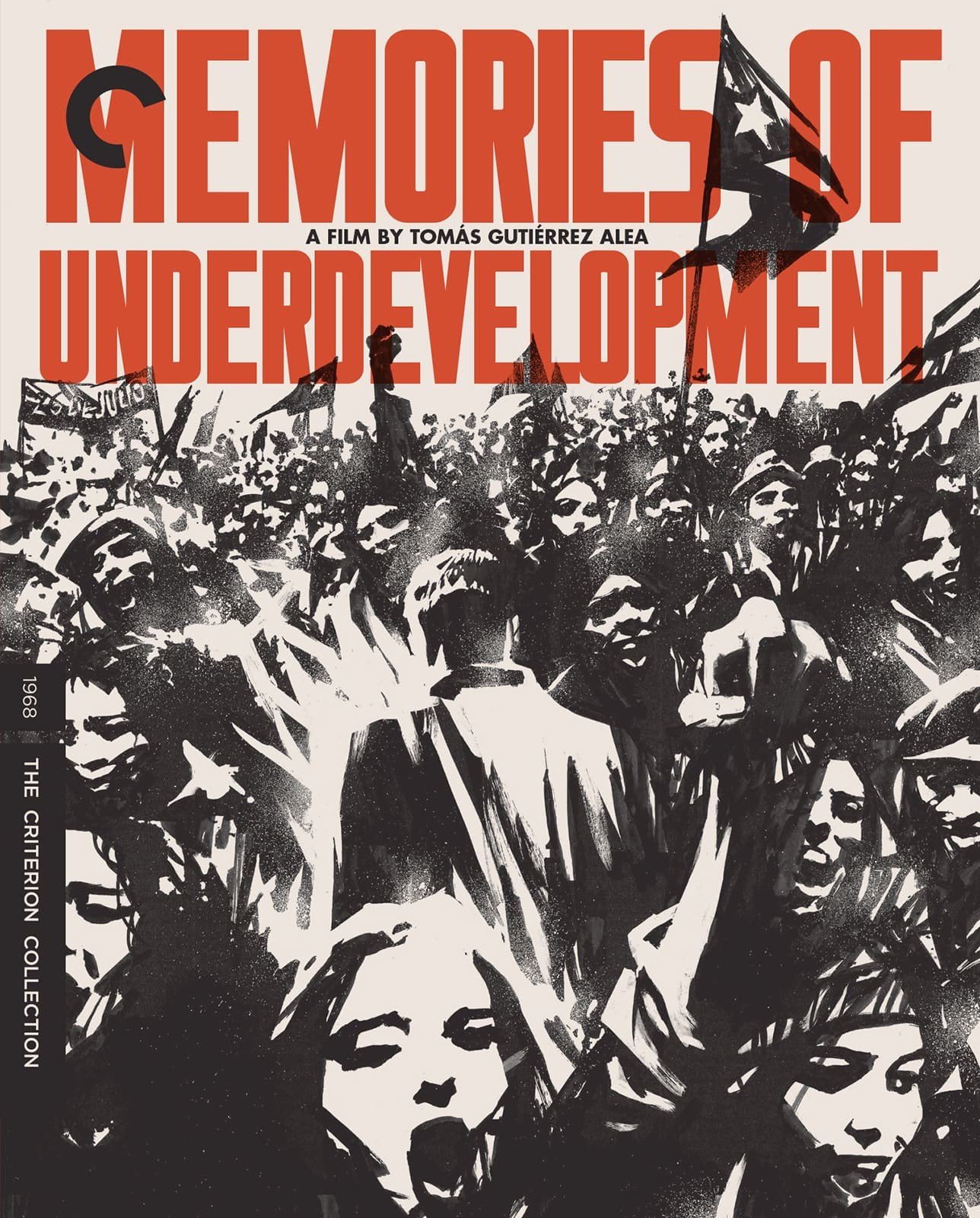
*Part of Martin Scorsese's WORLD CINEMA project which is currently streaming many of its titles as of this writing (Nov 2025) on the Criterion Channel.
MEMORIES OF UNDERDEVELOPMENT, based on the 1965 novel Inconsolable Memories by Edmundo Desnoes, proves that cinema can communicate nuance, indeterminancy, and illuminate that vast gray continent in which most of us live our entire lives.
38 year old Sergio, a Cuban bourgeois, decides to remain in Havana after the 1959 revolution, while the rest of his upper middle class family, including his wife, immigrates to the USA. Alone in his nice apartment, Sergio wanders the streets, has an affair with Elena, a young Cuban woman who wants to be an actress, thinks about his wife and other lovers, and watches the events of history unfold around him.
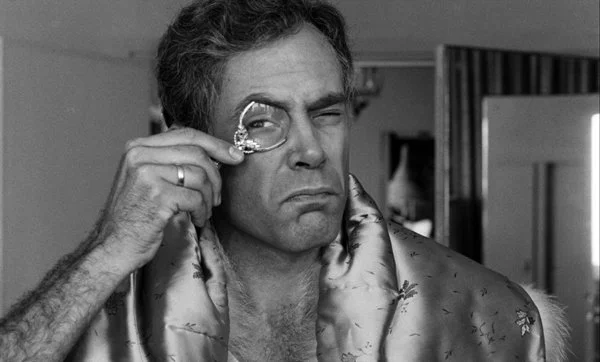
Protagonist Sergio could be any of us living in a troubled country. He could stick his neck out but decides intstead to keep his head down.
Sergio, played with impressive power and precision by Sergio Corrieri (only 28 years old at the time), is in the mold of undecided intellectual men like Jack Nicholson's Bobby Duprea from 1970s FIVE EASY PIECES and Daniel Day Lewis's Czech philanderer Tomas from 1988's THE UNBEARABLE LIGHTNESS OF BEING. He's a mix of admirable, likeable, and glaringly selfish traits.
The movie is a hybrid of Sergio's story which eventually focuses in on a rocky relationship he has with the teenage Elena and documentary like voice over cutaways to the historic events that roil Cuba in the period including the revolution, the Bay of Pigs, and the Cuban Missile crisis.
Sergio's greatest strength may be his honesty. This is someone who isn't beholden to ideology. He's neither an embittered oliogarch nor a fervent revolutionary. He's an ambivalent man who sees the flaws and merits of both the old and new systems.
And maybe most pointedly, he doesn't have the drive or ambition to do much about it either way. He just wants to have sex and be left alone.
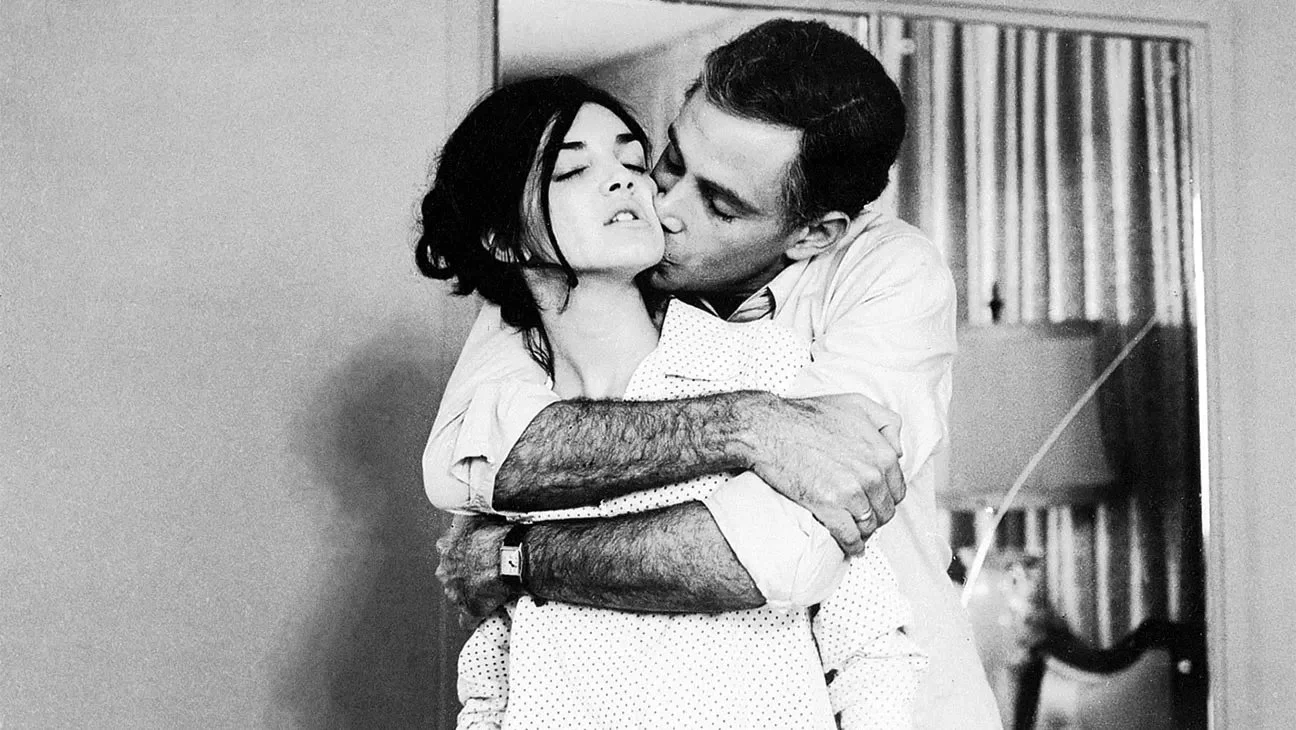
The love affairs in the movie mirror Sergio’s own lack of backbone.
The movie hops and jumps with an exciting new wave editorial adventurism. You can see why Scorsese and so many others wanted to make sure the film was restored and saved. It's as exciting, liberated, inquisitive, sexual, daring as any Godard, Fassbinder, or Forman movie of the same period.
It also has the added importance of being that rare movie SHOT in Cuba MADE by Cubans in the Fidel Castro era. Although it's hard to know how much if any material was cut out because of Castro censors, the movie still feels pretty observant and even handed in its sly social critique of the inefficacy of both intellectuals and "revolutionary" intellectual debate.
Cuba is shown trying to find its way and the filmmakers' conclusion seems indeterminate at best. There are bracing sequences of an apparent assassination or murder during an outdoor dance party, ineffectual bureaucracy, mismanaged Havana civil government, etc.
There's also a late movie sequence devoted to a court case Sergio is defendant in in which we see a Cuba that is still as much a people of deep seated social conservatism, Catholic gender role attitudes, and boiling over working class anger: the "underdevelopment" Sergio speaks of throughout the movie.
In the end, this movie is a fascinating engaging character study. It's human, free form, yet rigorous in its interrogation of both its own personality and the personality of the country to which it is a part.
It's an honest movie. And there are fewer of those than one would think.
Craig Hammill is the founder.programmer of Secret Movie Club