
DIARIES, NOTES, AND SKETCHES aka WALDEN (shot, edit by Jonas Mekas, 1968, 177mns, USA)
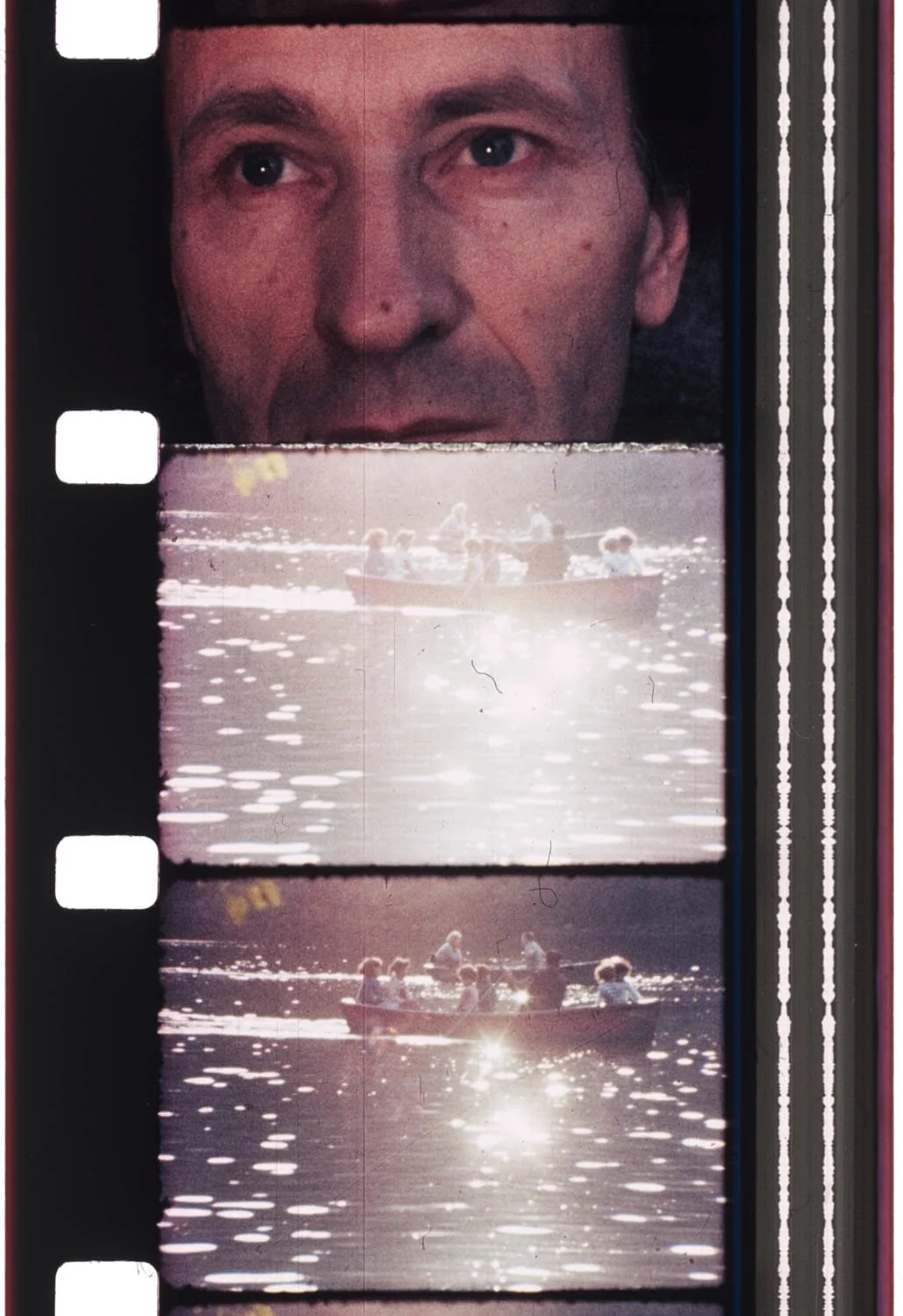
Cinema diarist Jonas Mekas' 1968 WALDEN (originally DIARIES, NOTES, AND SKETCHES) feels like the avant garde movie equivalent of Jack Keroac's 1950's beatnik classic ON THE ROAD.
For near three hours, we travel with Mekas to weddings, friends' homes, concerts, New York protests. Along the way, we are stunned to see such indie movie, art, music, literature luminaries as Andy Warhol, Allen Ginsberg, Shirley Clarke, Stan Brakhage, Hans Richter, the Velvet Underground, John Lennon & Yoko Ono, pop into a scene or sequence.
Lithuanian born poet, moviemaker, cinema community leader Mekas clearly was a central hub of countless spokes of New York creatives that irradiate out from the camera lens from 1964-1968, the time of most of the filming.
The movie is a collage of disparate footage Mekas shot in that time. Wild, jittery, 16mm, often ramped up (shot at less than 24 frames per second), single frames snapped off, film rewound then double exposed for superimpositions, iris opened or closed to create oscillating over or under exposed images, this is not your Mom and Dad's home movie.
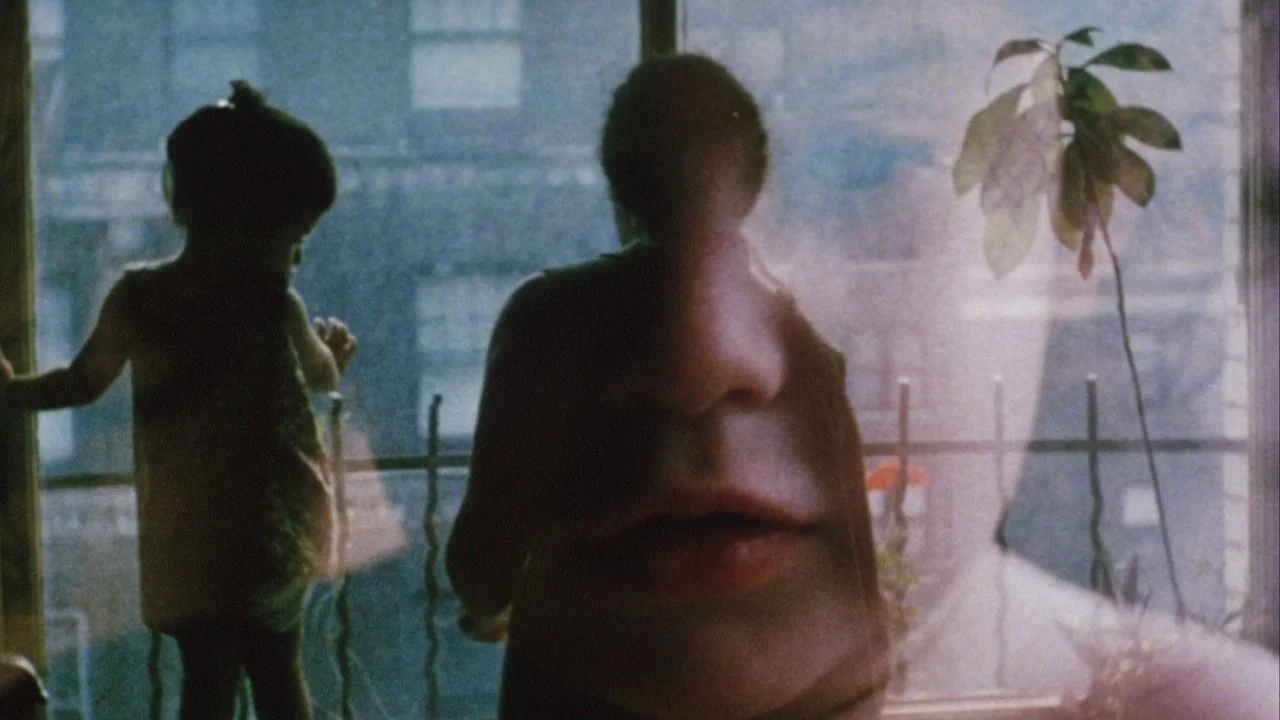
Jonas Mekas’ approach is a chimera of journal, poetry, documentary, reportage, and impressionism.
It is a very intentional approach that will dominate the 3 hours. Along with the visuals which never let you get passive, Mekas juxtopposes what we see with equally "pay attention" recorded sound of music, subways, New York city streets, his own voice dropping in for momentary journal entries or poems.
At first, the approach feels very much like avant garde master Stan Brakhage's 50's and 60's movies. And indeed, Mekas and Brakhage were peers, good friends, and one section of the movie finds Mekas leaving New York to visit Brakhage, his wife Jane, and their children in Colorado.
But Mekas' approach is more of an idiosynchratic cinematic diary. He's trying to capture the essence of the thing, the present moment, his emotional feeling in that instant.
Brakhage's work is more wildly experimental yet cinematically driven by story, theme, expression.
It feels like Mekas would be Truffaut and Brakhage Goddard if we used a French New Wave metaphor.
Whereas one would never have a "whoa" documentary moment in a Brakhage movie (which is a great thing, Brakhage is really drilling down to find new modes of creative expression that don't rely on any external reference), Mekas' work abounds in them.
Somehow Mekas happens to capture the Velvet Underground's first performance together with a managerial Andy Warhol socializing at the party. It's a stunning moment of 60's reportage.
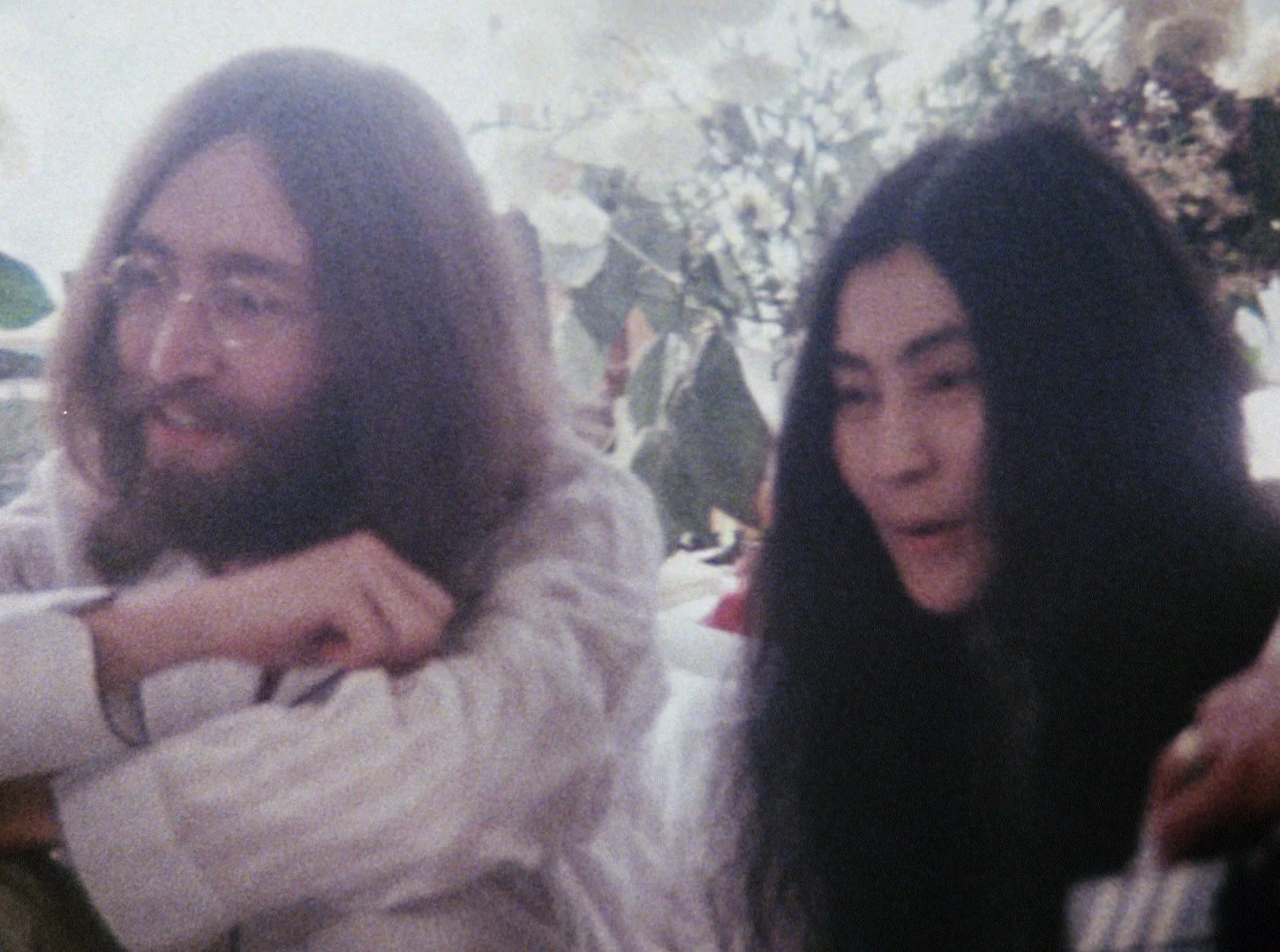
Watching Walden is also watching pop culture history happen in real time. When Mekas’ attends the Ono Lennon “Love In” towards the end of the movie, he starts to feel like the cinematic avant garde equivalent of Zelig or Forrest Gump.
And those moments happen again and again. Late in the movie, Mekas manages to also be at John Lennon's and Yoko Ono's famous "love in" right at the foot of the bed. And more than in any other footage of that event, we get a sense of the "performance art piece" it clearly was meant to be.
In working to be true to his lived experience in a dynamic way, Mekas offers us a window into the expressive furnace that was the mid 1960's.
At the same time, there are also scenes of incredible cinema. A 60's wedding reception where everyone dances to rock music under a strobe light offers a captivating kinetic way of capturing the bride who is losing herself to the music.
The many scenes of friends with their children in cramped intellectual New York apartments yet all still posing for the camera, smoking, debating, creating music, or writing articles for the Village Voice makes this movie feel like an avant garde companion piece to the Coen Brothers' INSIDE LLEWYN DAVIS.
It's a tremendous cinematic time capsule that also manages to get you to think about film language.
Mekas is a patron saint to many moviemakers.
You really do feel like you're at ground zero here. The time when moviemakers like Mekas, Shirley Clarke, John Cassavetes, Stan Brakhage were blowing open what American moviemaking could be. Creating a new filmic wing in the house of cinema wholey unbeholden to the classic Hollywood style.
It's like walking with the apostles of the American New Wave at the time they were just living the raw experience that would become the clay for filmic gospels.
Craig Hammill is the founder.programmer of Secret Movie Club