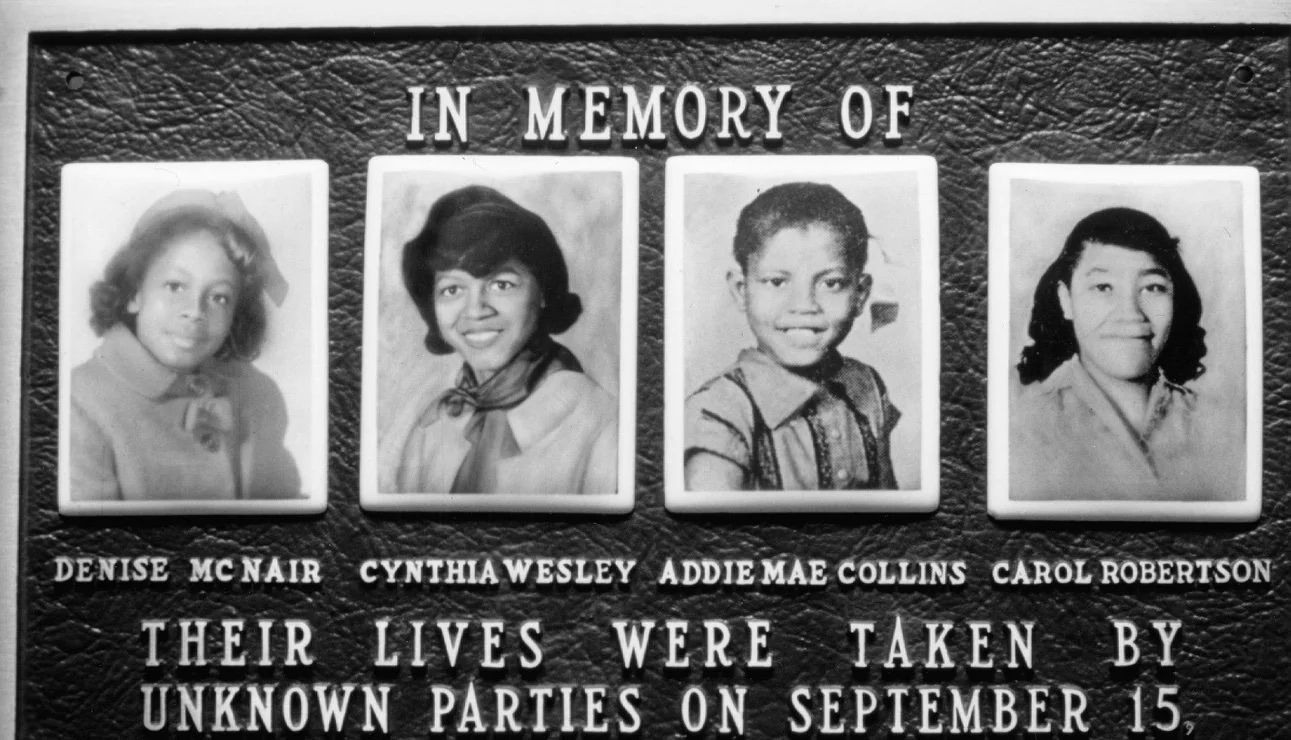
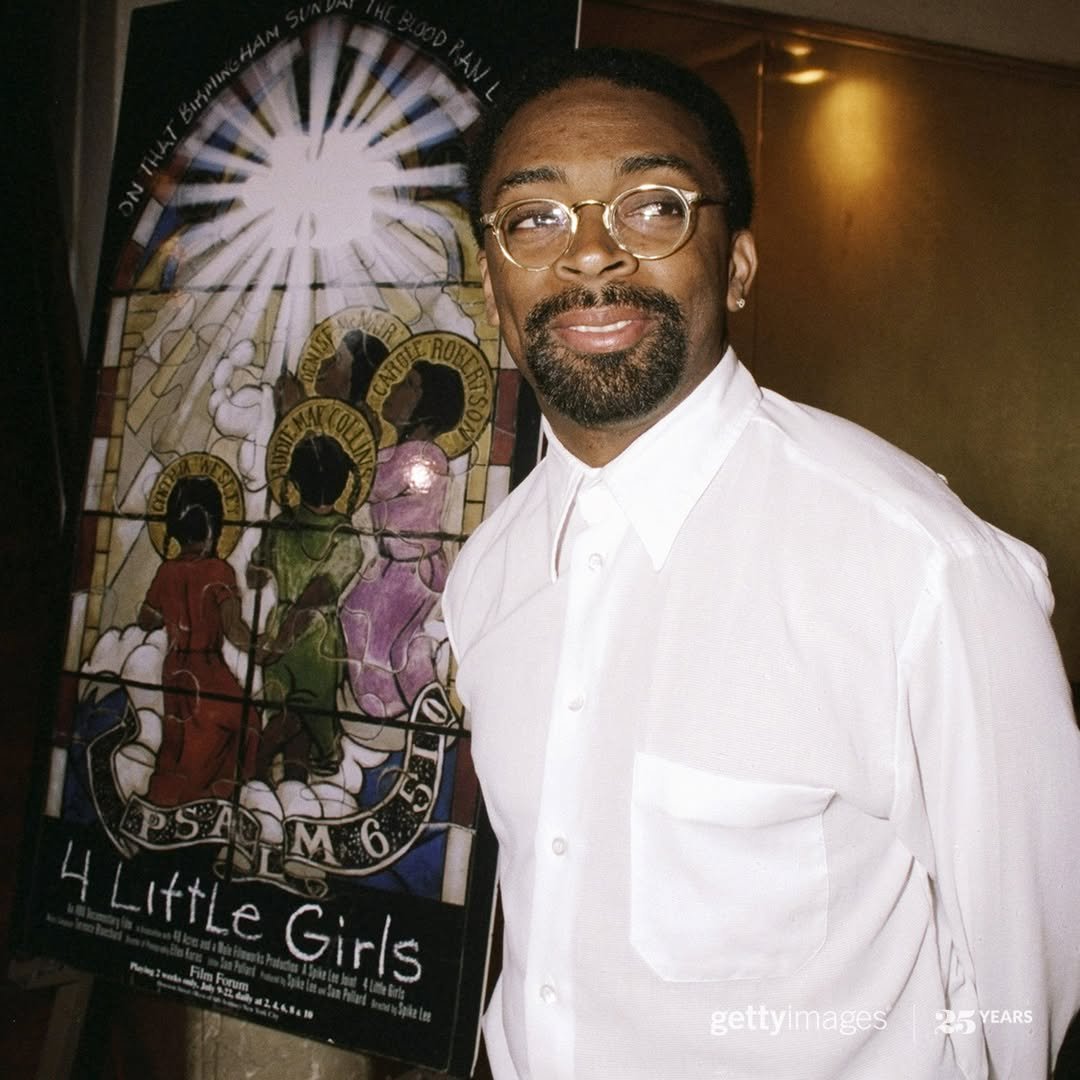
4 LITTLE GIRLS (dir & prod by Spike Lee, HBO, 103mns, 1997, USA)
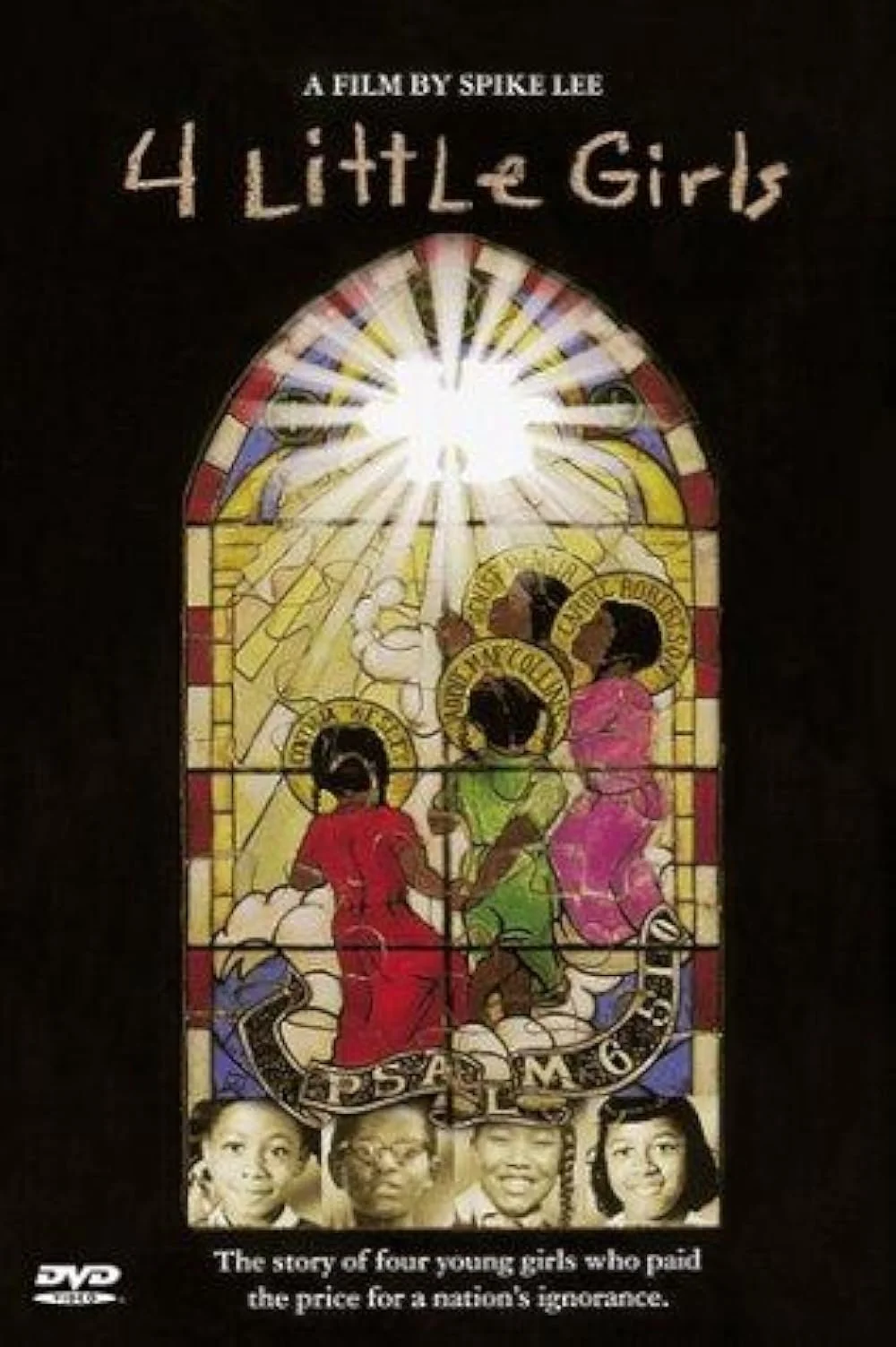
This is a movie that hits you different once you have children. You have to sit there and ask "What if this had been my child?" "What if this had been my loss?"
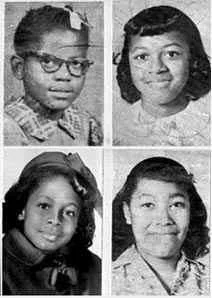
Spike Lee's documentary 4 LITTLE GIRLS deals with the horrific 1963 bombing of the 16th Street Baptist church in Birmingham, Alabama that killed four little girls in the basement who were getting ready to go to Sunday school after play outside.
The documentary is one of Lee's best works but the making of it must have been frought with trip wires.
How do you make a movie about such a horrific topic with any kind of objectivity or critical analysis?
And how does a moviemaker like Lee find a through line, stay true to his vision and voice, but not overcomplicate or harm the work with unnecessary stylistics or imposed thematic overlays?
To everyone's credit, mostly to the interviewed parents and siblings of the murdered little girls, the movie keeps to a path that sees us through to the end.
It's hard to achieve profundity in cinema despite what we cinephiles want to believe. When we try to achieve it, it often manifests itself rather in pretension, preachiness. And more times than not it reveals the intellectual limitations of the moviemaker rather than expands upon the knotty moral or ethical issue at hand.
Spike Lee and his team wisely focus the movie on the interviews of the parents, sisters, friends, neighbors, activists who LIVED the bombing and its aftermath. And this keeps us to the pathway of truth.
Lee moves back and forth between the personal lives of the girls and the broader context of where the USA was in 1963 with racism, the South, the Freedom movement, as Dr. Martin Luther King Jr. called it.
The director gets to the bombing ultimately and its aftermath. He even shows us the post mortem photos of the poor little girls desecrated bodies.
What if that had been my daughter? An unbearable question.
Fourteen years later in 1977, at least one of the bombers, a virulent racist named Robert Chambliss, was brought to justice and convicted. The key point Lee and those who were present at the trial make is that Chambliss was unapologetic about the bombings. He felt JUSTIFIED.
There are some incredible moments in the interviews. Lee somehow got to sit down with former Alabama governor George Wallace, famous for his grandstanding on segregation, who now repeats constantly "My best friends are black...".
Lee gets leaders of the Freedom movement to talk about why Birmingham was such a flashpoint for racial hatred and civil rights.
The moviemaker also covers the incredible story of how Alabama's young and teen black youth held "Children's Marches", were thrown in jail, were firehosed, were attacked by dogs.
It is the parents, siblings, neighbors though who ultimately ground the movie. It seems impossible that any parent could sit for an extended interview about such a subject. Yet you can see that almost every mother, father, sister, brother, friend knows they MUST do this. They must make a record. They must document.
This creates moments where some of them break down. Some admit constant PTSD. And some share beliefs terrifying and unfathomable. That if there is a "God of good" there must be a "God of evil" as well.
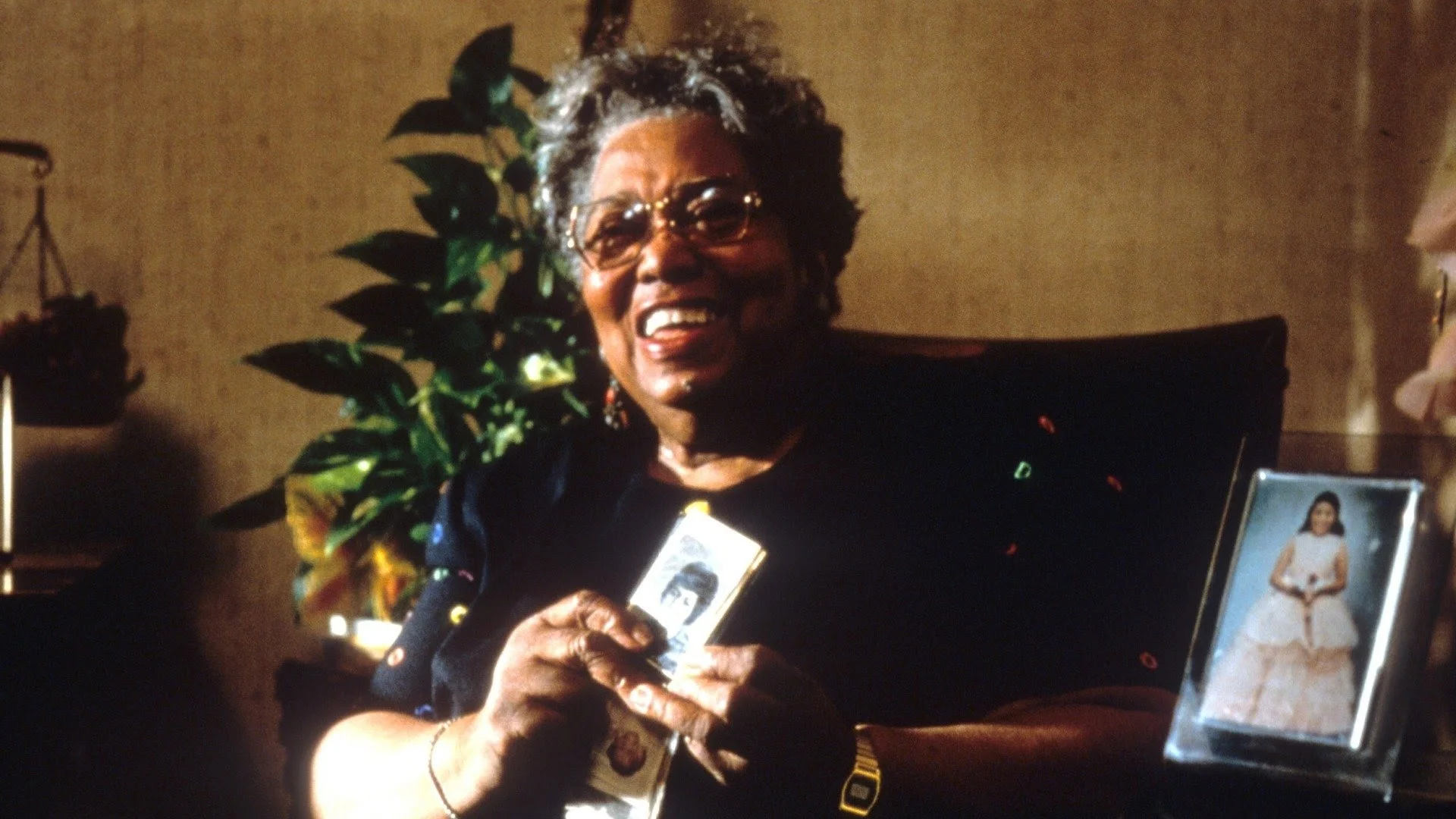
Yet Lee mercifully ends on a humbling note from the observations of one of the girls' mothers. She somehow encompasses everything in her final words (which are also the final words of the movie). And she points out that life is so much, so many things. Even more than the bombing on that September morning in 1963.
This is one of Lee's very best movies. He has the humility to let the survivors lead the tale. And they in turn provide Lee with the material to make a documentary that must be wrestled with if we are to retain any humanity at all.
Craig Hammill is the founder.programmer of Secret Movie Club