
DEAD MOUNTAINEER'S HOTEL (dir by Grigori Kromanov, wri by Arkay & Boris Strugatsky, Soviet Union/Estonia, 84mns, 1979)
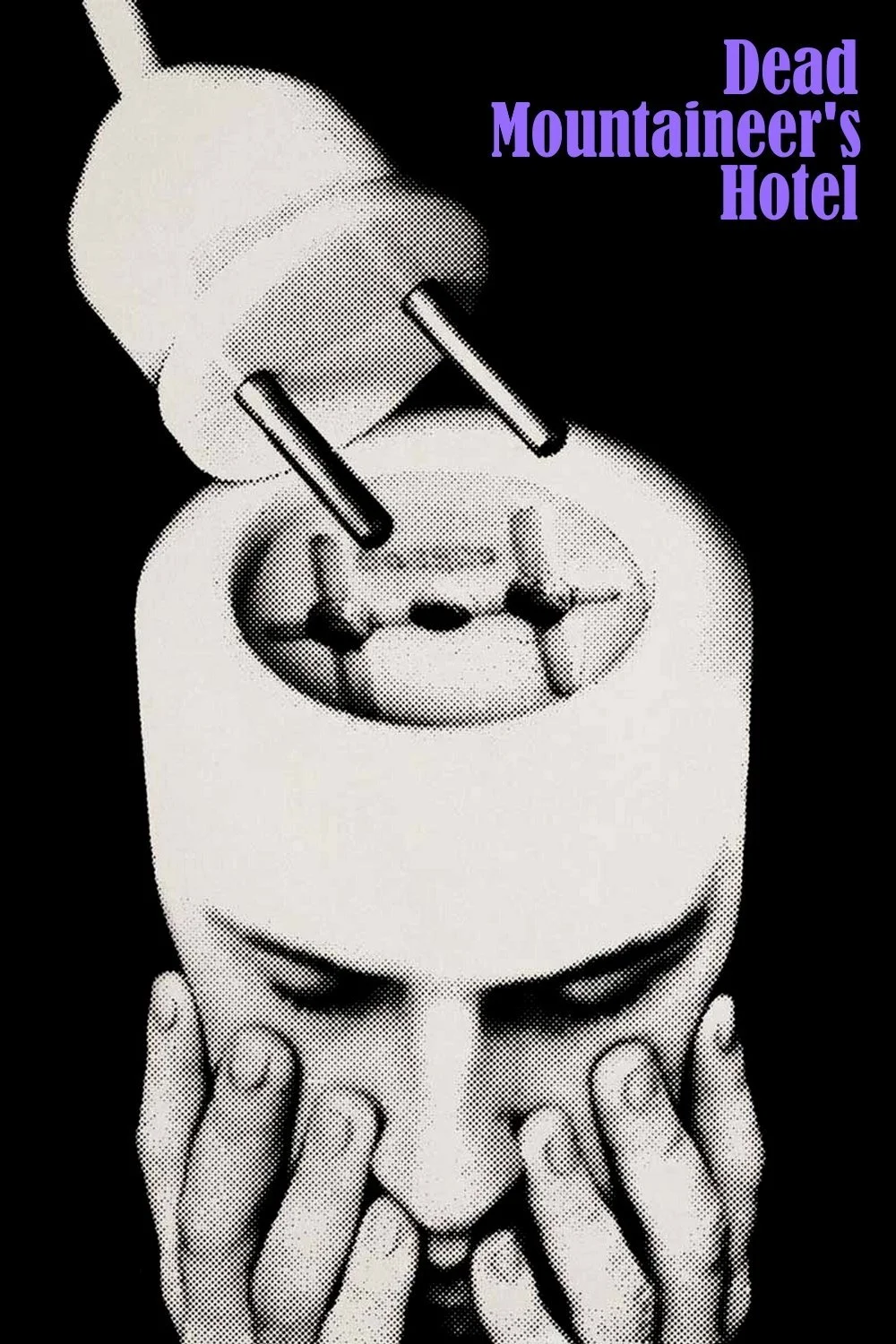
Sometimes you just need a little 1970's Estonian sci-fi.
Police Detective Glebsky gets a mysterious call to investigate a crime at the "Dead Mountaineer's Hotel", an extremely remote (yet hip for 1979), ski chalet high in the mountains. But from the moment he gets there, something is off. . .way off about many of its guests.
From the moment this movie was mentioned to me several years ago by a friend at a movie screening, I have been ravenous to see it. Finally, courtesy of the Klassiki streaming service which specializes in Eastern European and Soviet cinema, the itch has been scratched.
Oddly, it is more or less exactly what I would have expected it to be. A wonderful capsule of its time with a great hook, hit or miss execution (mostly hit thankfully), some truly strange moments, worthy sci-fi speculation. And some cheese, over direction.
What I didn't expect (and should have) was a movie that is also an allegory for how an authoritarian system is threatened by "otherness".
Okay, I gotta go into spoiler territory now so stop reading if you want to experience the film's twists like the virgin snow after the avalanche that marks a turning point in the movie.
DEAD MOUNTAINEER'S HOTEL is of a piece with the subgenre of noir sci-fi which inclues Ridley Scott's BLADE RUNNER, Jean Luc Godard's ALPHAVILLE, Alex Proyas's DARK CITY, and Rainer Werner Fassbinder's WORLD ON A WIRE.
Here, our protagonist (though that appellation will quickly become suspect) is a handsome hard boiled police detective.
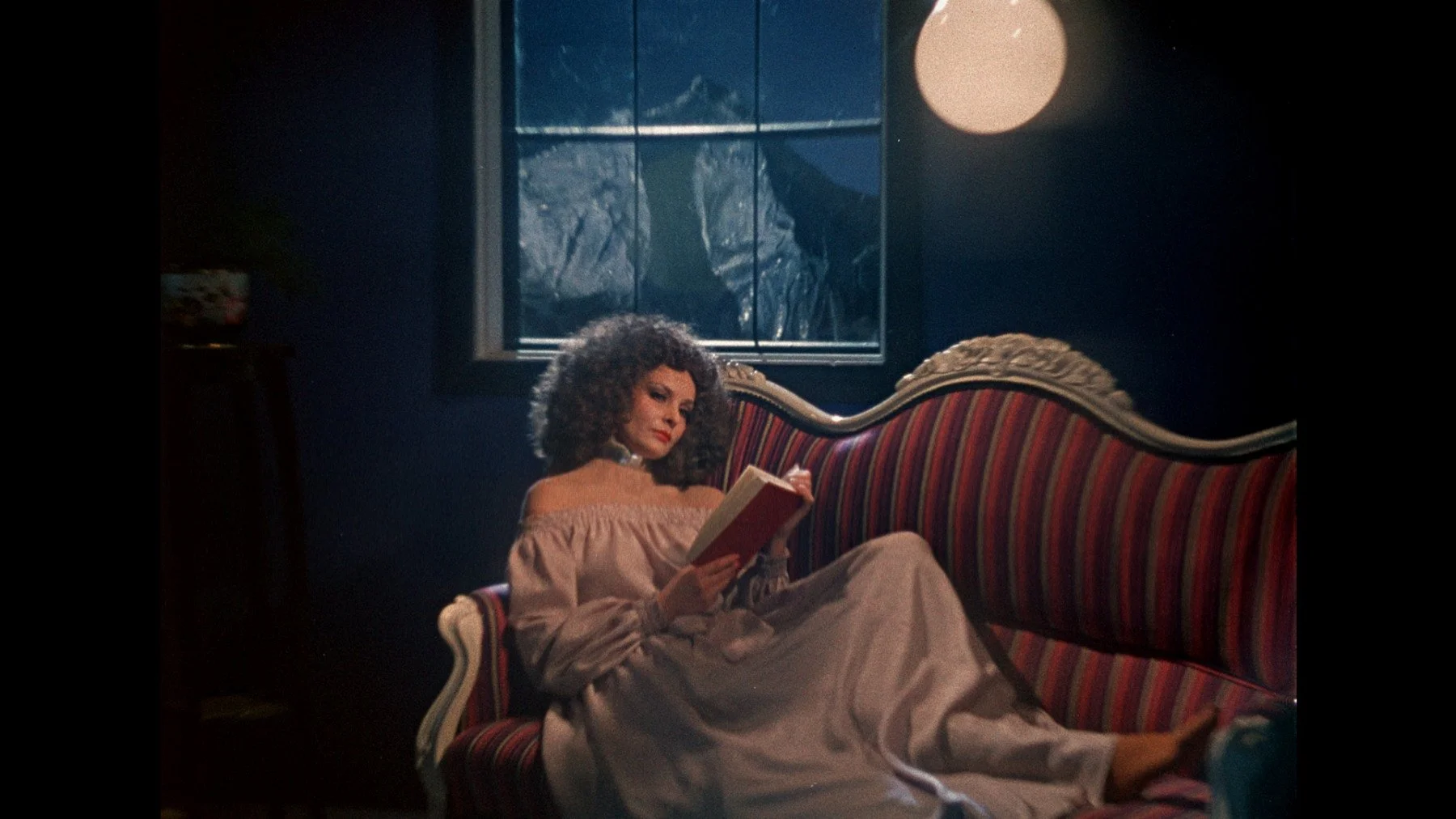
1971 Estonian sci-fi. Let’s go!
The movie starts and plays for a large part of its running time like sci-fi Agatha Christie. An avalanche snows everyone in and Inspector Glebsky realizes people are lying to him. But while we can see that something is strange about traveling salesman Mr. Moses and his oddly stiff yet sexual wife Mrs. Moses, Inspector Glebsky refuses to allow any explanation outside of the rational, logical.
Soon there are dead bodies, last minute travelers arriving in the dead of night, dopplegangers, a strange briefcase with something a scientist guest says is "either government or extraterrestrial".
It's a lot of fun. And if the reveal and ending are basically what we suspect, it's still fun to spend a weird night in this weird hotel.
The filmmakers are clever in the subtle transformation of Inspector Glebsky from our hero to a kind of Soviet aparatchnik inquisitor. It's not mustache twirling. From Glebsky's point of view, he's just doing his job and following the law. And in fact, Glebsky, who narrates the movie, is really delivering a kind of existential defense of his actions.
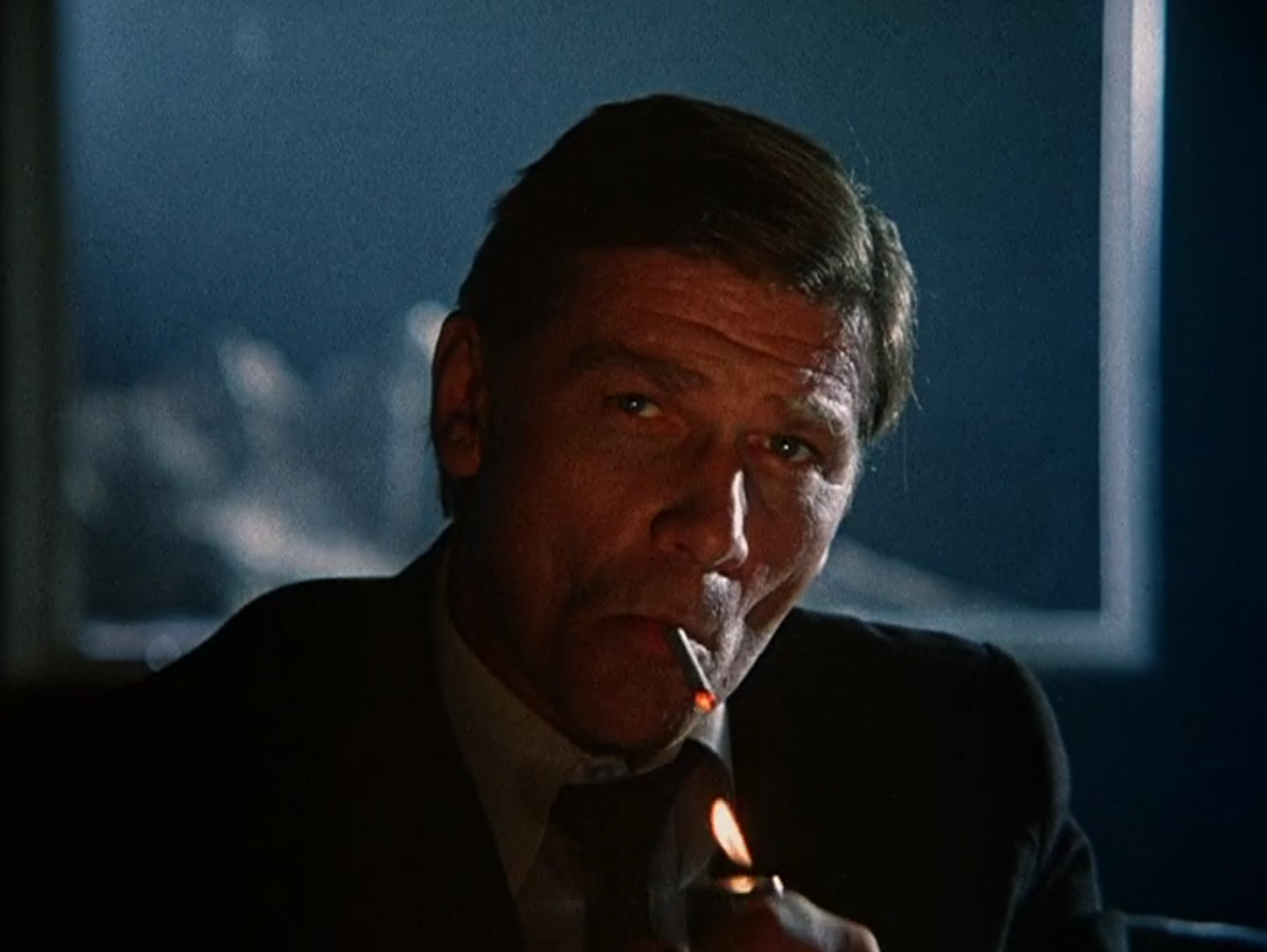
Noir meets new wave meets political and social critique meets. . . .aliens?!
But what we can see is that there is little room in the Soviet system for the strange, the other, the non-conformist.
This allegory probably applies to all sorts of marginalized groups like the LGBTQ+ community, artists, youth wanting sex, drugs, rock and roll, etc. And you can also see how folks who continue to buy into the Soviet system like Inspector Glebsky can't deal with the cognitive dissonance of realizing their tribalism and training might be wrong and actually oppressing these folks. By the way, this exact construction can be applied to the US's system as well. So maybe the movie is more universal than I thought.
There are a lot of funny things from a moviemaking point of view too to wrestle with in the movie. The interior of the hotel clearly feels like a stage bound set that was over-designed by ambitious film students. And the climax does what it has to do without feeling overly inspired. The last scene though which is a single shot of Inspector Glebsky defending his actions redeems any of the corner cutting of the scenes just before it.
Soviet sci-fi is a wonderful genre because it's like getting to live for 90 minutes in the dreams of another country. The rhythms, sensabilities, and preoccupations are different. And that's f#@king awesome.
For a few hours we get an inside look at the concerns of artists in another foreign system. And just like here in the US, every now and then they get to smuggle some pretty cutting satire into a genre picture.
Craig Hammill is the founder.programmer of Secret Movie Club