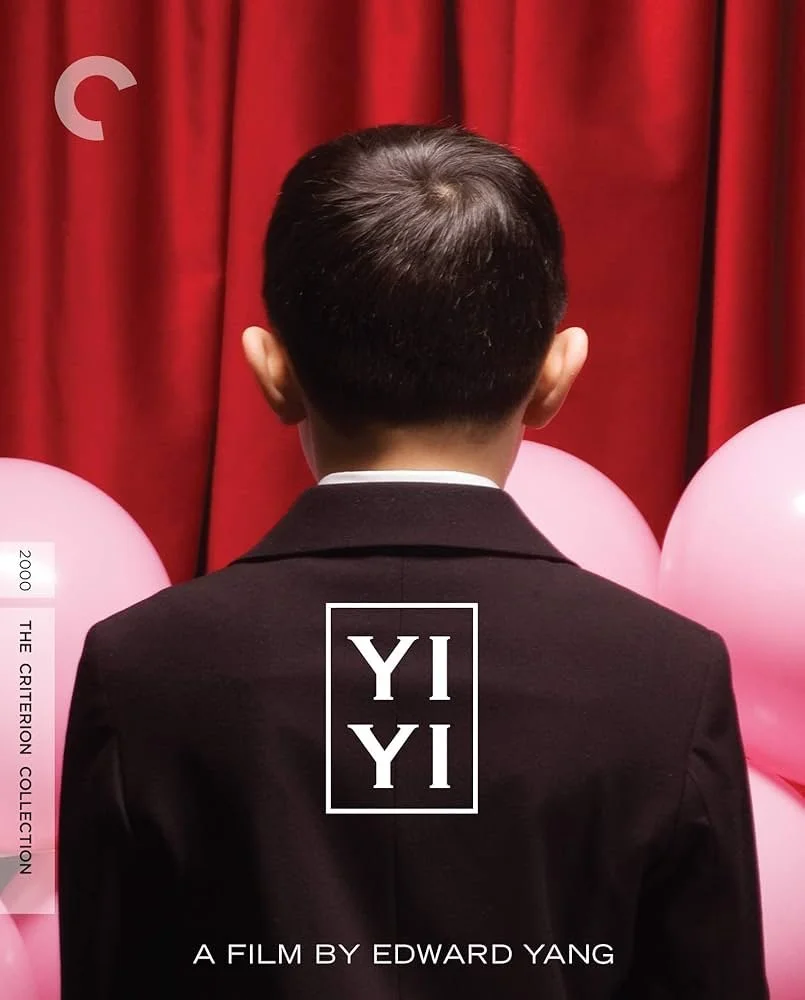
MOBIUS STRIP: Edward Yang's YI YI (2000, wri & dir by Edward Yang, 173mns, Taiwan)
Edward Yang's YI YI is an elusive movie. In the best possible way.
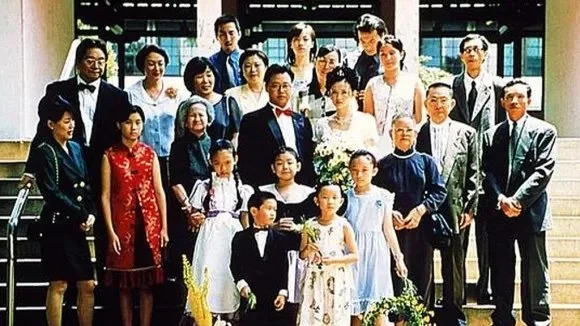
It opens with a wedding — a long, slightly chaotic sequence that recalls the opening of The Godfather and Fanny & Alexander in its ambition to establish an entire world through a single event. The Jian family assembles: NJ, the quiet father; Min-Min, the wife gradually approaching some form of spiritual crisis; Ting-Ting, the teenage daughter; Yang-Yang, the small son who has taken to photographing the backs of people's heads because, as he explains, people can only see the front of themselves.
The film spans a year, triggered by the grandmother slipping into a coma. The family is asked to each spend time talking to her — she can hear, the doctors believe, even though she cannot respond. What they say, or fail to say, organizes the film's emotional core.
NJ travels to Japan for a business meeting and encounters his first love — a woman he chose not to marry thirty years ago. What follows is not an affair but something harder to name: a reopening, a reckoning with the paths not taken. His interactions in Japan have a different texture than the rest of the film — quieter, more suspended, as if he has stepped briefly outside of time.
Yang's cinematography favors sustained shots through windows, hallways, and doorframes. Characters are often seen in reflection, or partially obscured, or framed by architecture that creates distance within intimacy. This is not stylistic affectation; it is the visual argument of the film. We are always seeing only part of the people we know. Yang-Yang's photographs of the back of people's heads are not a metaphor but a literal demonstration.
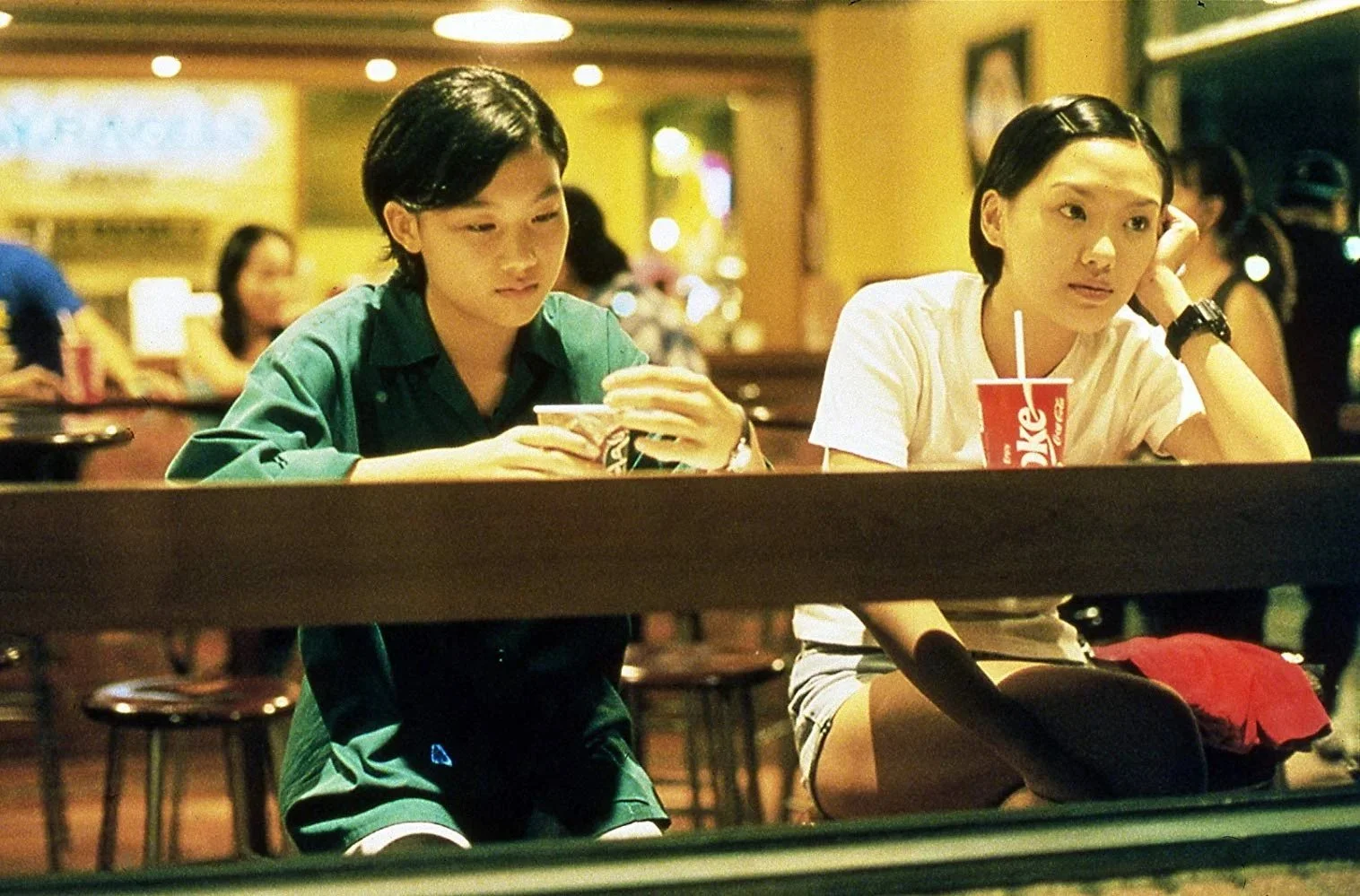
Yang is one of the founders of the Taiwanese New Wave — a movement that includes Hou Hsiao-hsien, Edward Yang, and Tsai Ming-liang, which produced some of the finest cinema of the 1980s and 1990s. YI YI was his last film before his death in 2007.
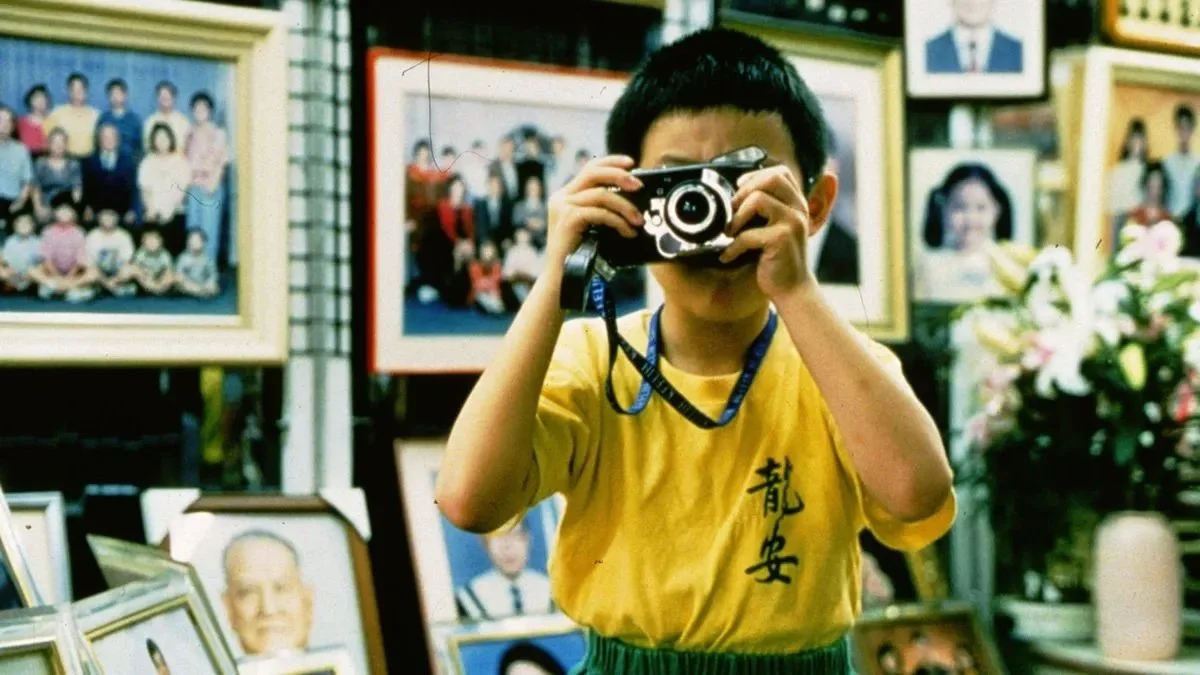
At 173 minutes, the film does not feel long. It feels exactly as long as a year in the life of a family — long enough for things to change, short enough for the change to feel like loss. It is a humanist masterpiece that pulses with the unpredictable blood of existence itself. One of the great films of any era or country.