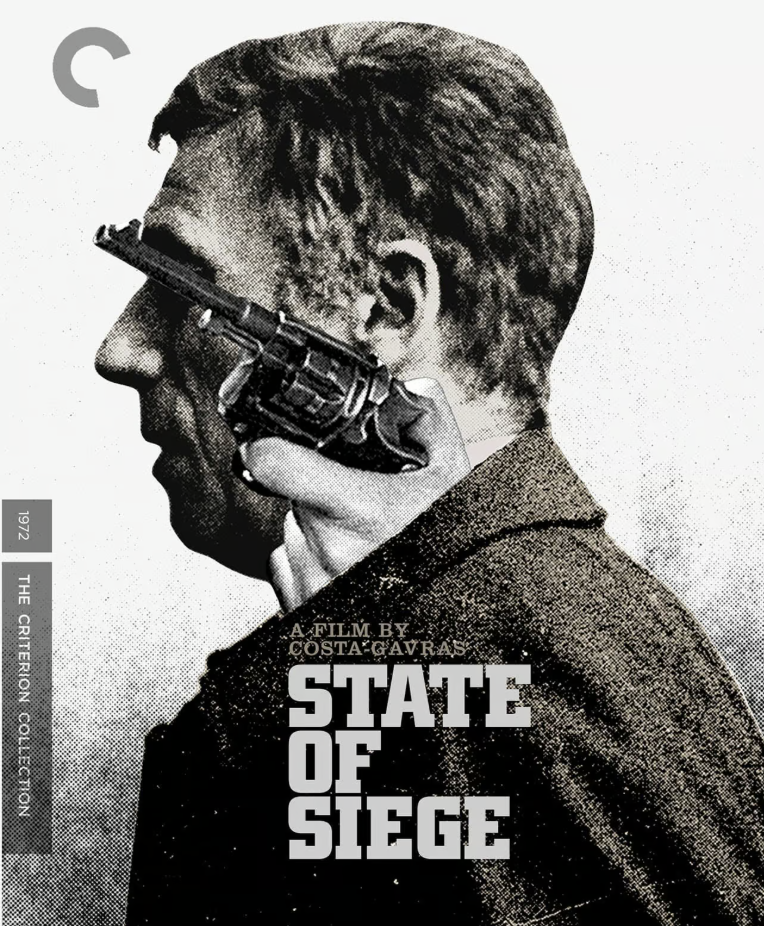
DOCUMENT: Costa-Gavras' STATE OF SIEGE (dir by Costa Gavras, written by Franco Molinas & Costa-Gavras, with Yves Montand, France/Germany/Italy, 121mns, 1972)
Movies like Costa-Gavras' STATE OF SIEGE and Z are part of a high watermark for political cinema — a period, roughly the mid-1960s through the late 1970s, when commercial filmmakers in Europe and America routinely made films that accused governments of specific crimes and named names.
STATE OF SIEGE fictionalizes the kidnapping and killing of U.S. official Dan Mitrone by Uruguayan Tupamaros revolutionaries. Costa-Gavras and screenwriter Franco Solinas construct the film as a procedural: we watch the kidnapping, we watch the government negotiate, we watch the Tupamaros interrogate their captive. What the interrogation reveals — gradually, methodically — is that Philip Michael Santore (Yves Montand) is not merely a USAID official. He is a covert operations instructor, training South American military and police forces in interrogation and torture techniques.
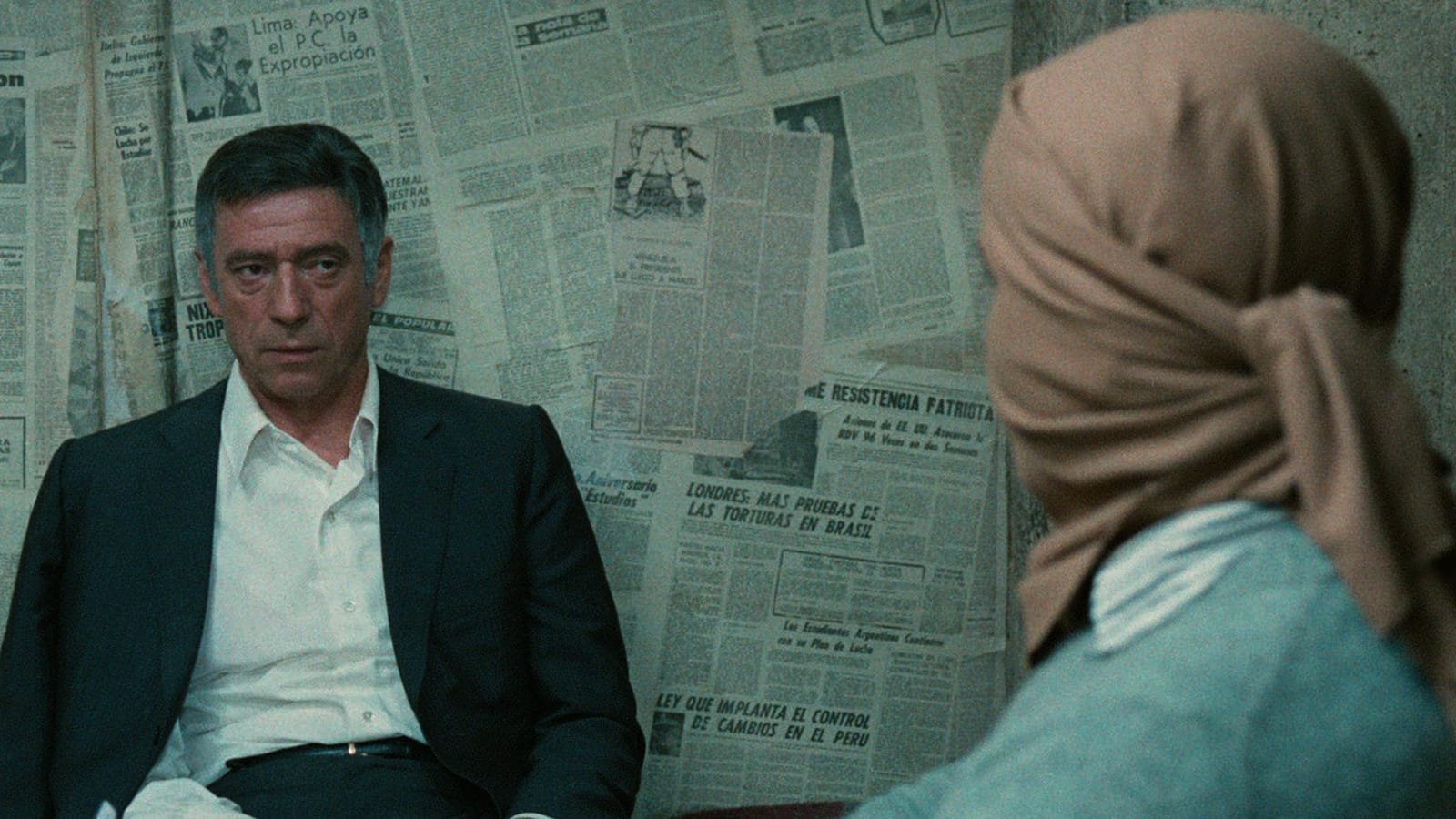
The film is partisan. Costa-Gavras makes no pretense of neutrality; he is making a case against American interference in foreign governance, against the export of interrogation methodology, against the gap between what the United States says it stands for and what it does when the cameras are turned off. The Tupamaros are not heroes in the film, but they are not villains either; they are people who have decided that conventional politics cannot address a specific injustice.
What prevents STATE OF SIEGE from being mere polemic is its stylistic dynamism. Costa-Gavras is a genuinely exciting director — his films move, they build, they know how to use information as suspense. The revelation of Santore's actual role is structured like a thriller, withheld and then delivered with maximum impact.
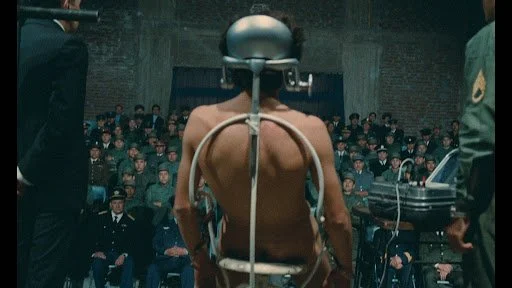
The film was made fifty years ago. The questions it raises about American conduct abroad, about the relationship between official rhetoric and actual practice, about the moral positions available to people living under regimes supported by external powers — these questions have not resolved themselves. That is why the film remains uncomfortable to watch, and why it should be watched.