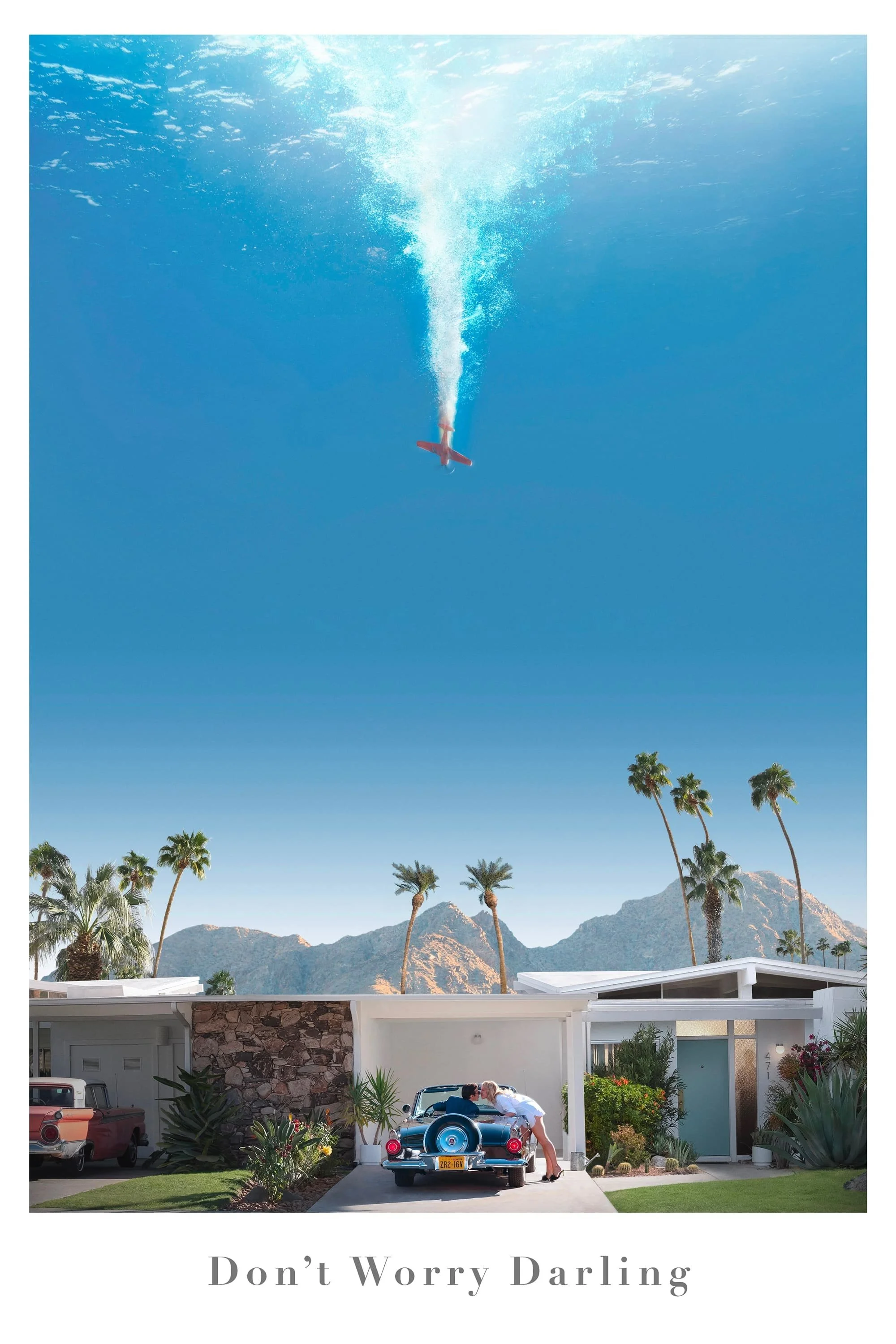
Don’t Worry Darling (2022, dir. Olivia Wilde, US) by Kymm Zuckert
Some months ago, the trailer for Don’t Worry Darling played before a movie I was seeing, and I leaned over to Blake and whispered, “This is the trailer where Olivia Wilde was served papers from Jason Sudeikis before it showed at a festival!“ So basically, things having nothing to do with the movie have been overshadowing this movie since the very moment it became public.
Read More
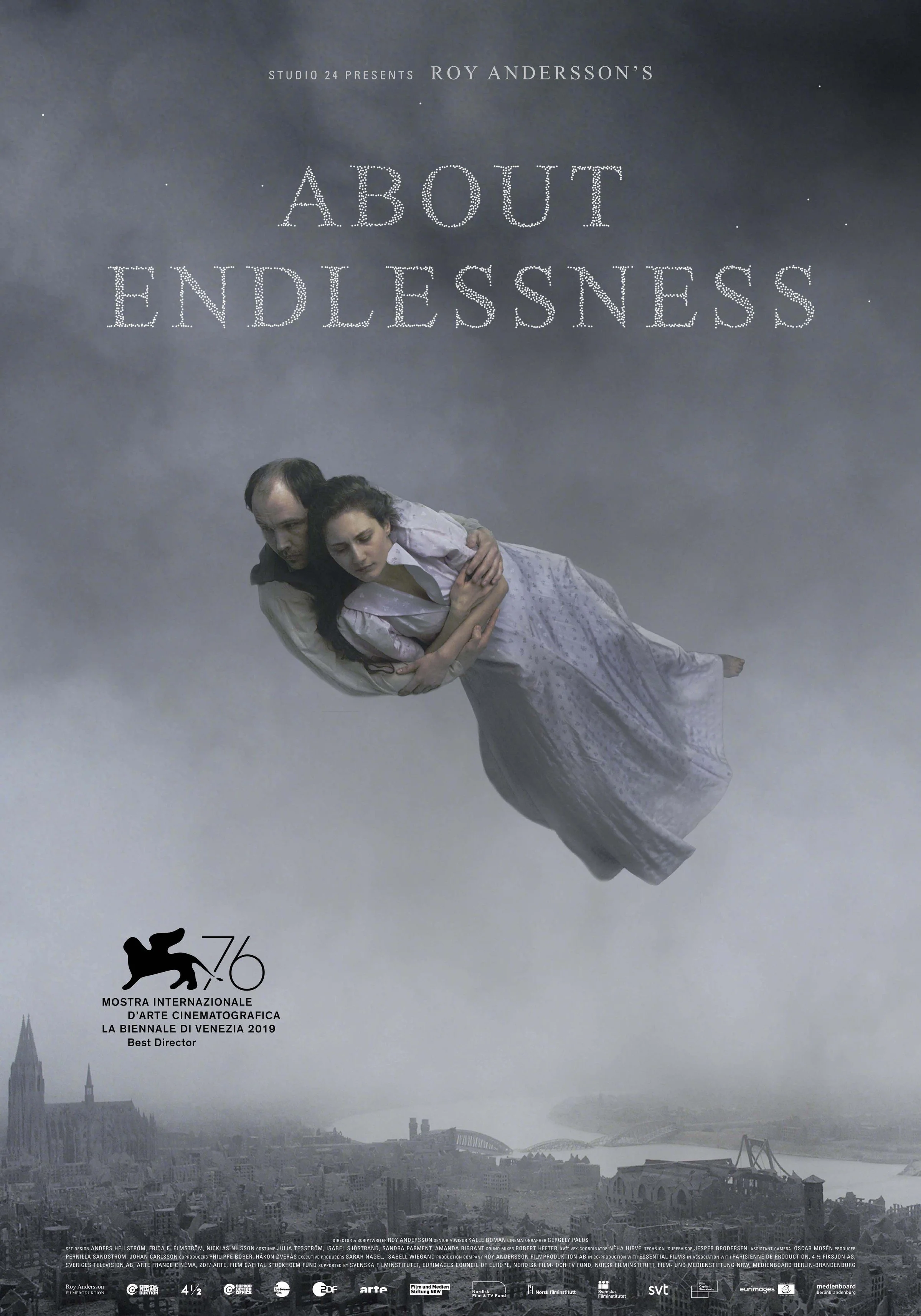
About Endlessness (2019, dir. Roy Andersson, Sweden) by Matt Olsen
Over the last twenty years, the Swedish filmmaker, Roy Andersson, has made four hyper-individualistic features: Songs from the Second Floor, You, the Living, A Pigeon Sat on a Branch Pondering Existence, and his most recent, About Endlessness. The films’ similarity in structure, style, humor, appearance, etc., instantly identify them as unmistakably his.
Read More
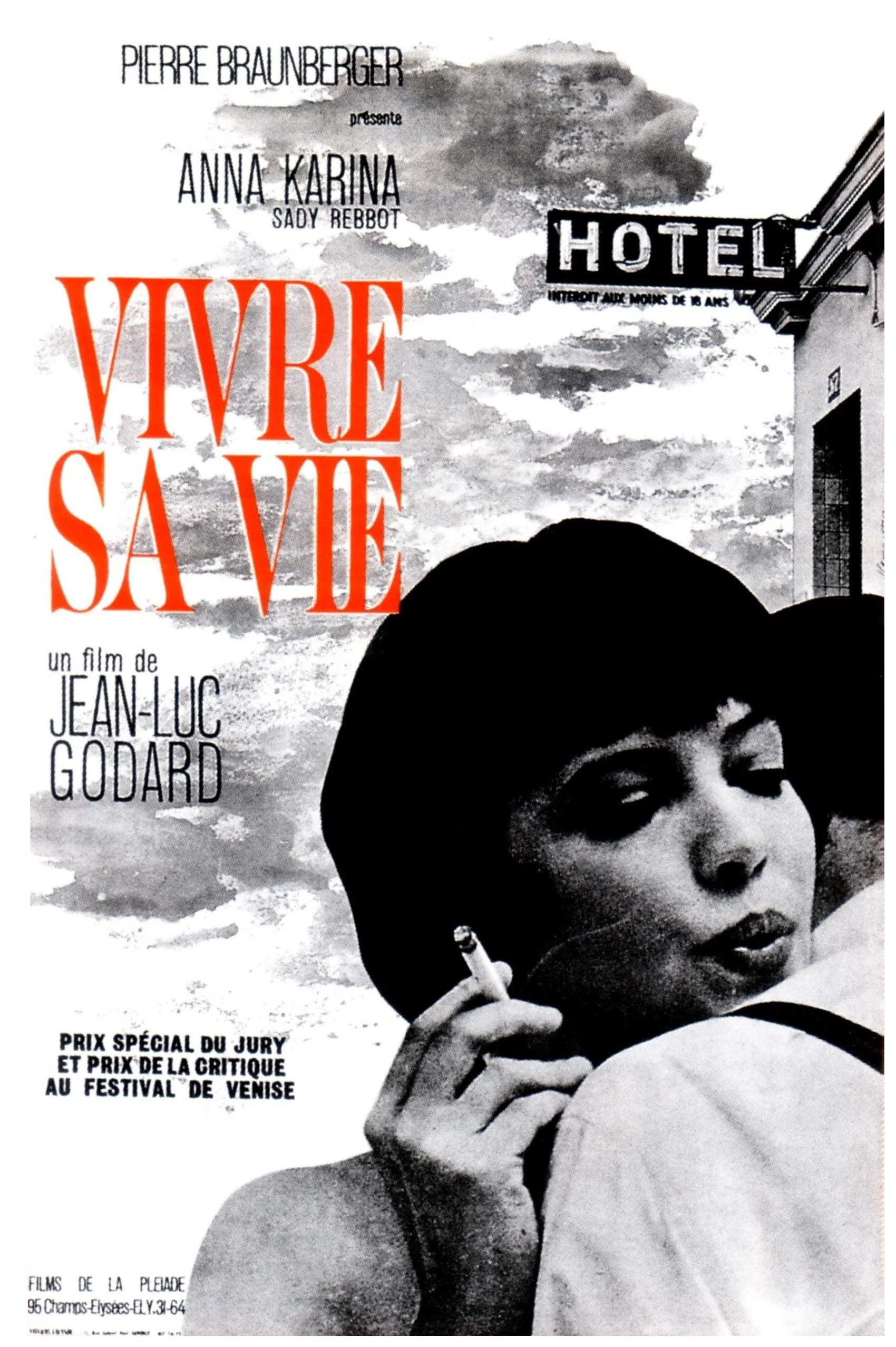
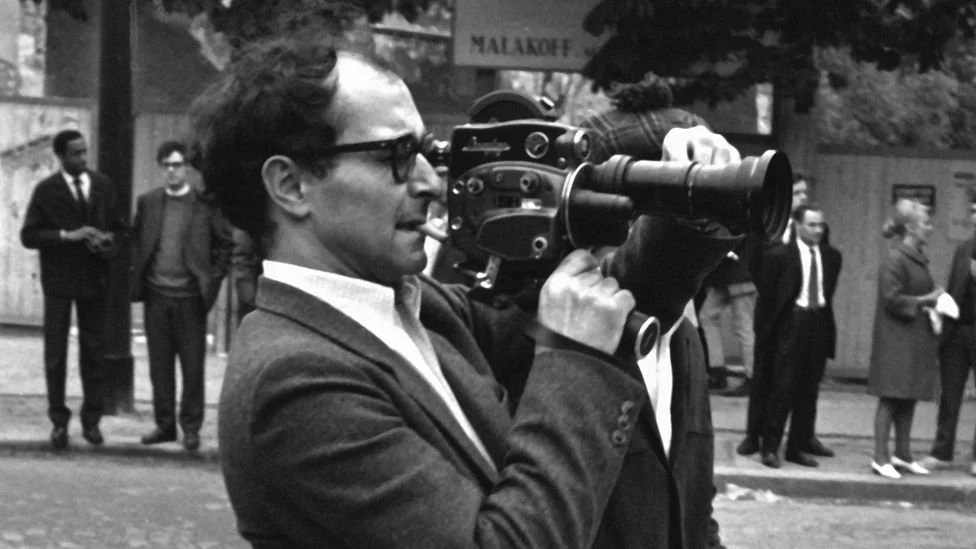
Vivre Sa Vie (1962, dir. Jean-Luc Godard, France) by Patrick McElroy
I’ve often noticed when people discuss Jean-Luc Godard, the one film they bring up is his 1960 film Breathless. While that film might have been the breakout – for its use of handheld, jump cuts, and pop culture references – he has other films that are even more inventive.
Read More
See How They Run (2022, dir. Tom George, UK) by Kymm Zuckert
Do you like Agatha Christie? Do you like post-war British comedies? Do you like movies about theatre? Then do I have a movie for you!
Read More
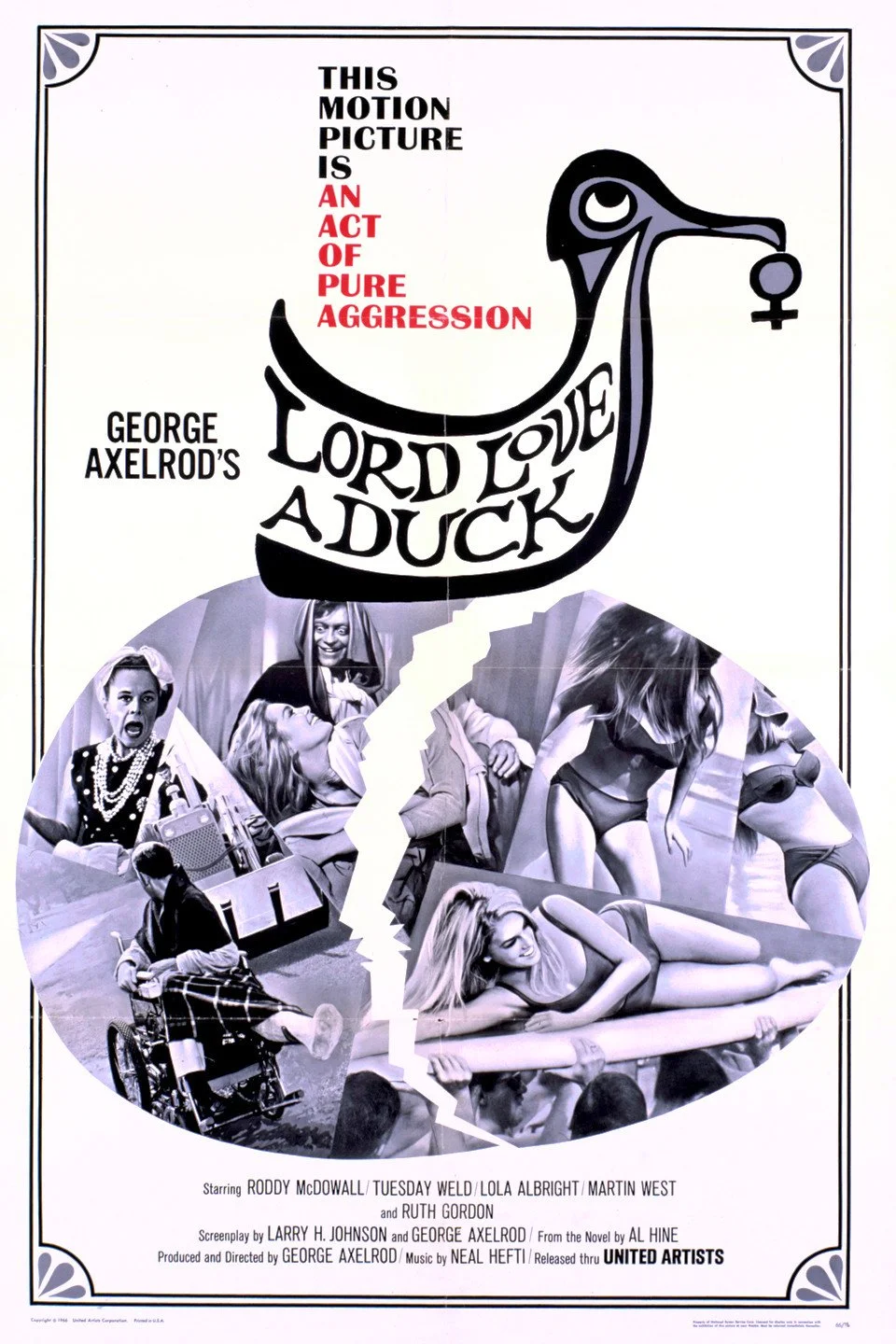
What is This Movie? Lord Love a Duck (1966, dir. George Axelrod, US) by Matt Olsen
The primary word that comes to mind when talking about the 1966 teen comedy satire (?), Lord Love a Duck, is “inexplicable”. Because it is, and I dare you, incapable of explanation. I’ve headed this post “What is This?” and, honestly, I still don’t know the answer to that question even after having seen the movie at least six times.
Read More
Jean-Luc Godard (1930-2022) by Patrick McElroy
Last Tuesday I was disheartened, as many were, to hear of the passing of Jean-Luc Godard. He was a name in the world of film that was as influential as D.W. Griffith or Orson Welles, in that he destroyed the typical convention of storytelling and craftsmanship. He was not only the last of the French New Wave, but he was the last of a group of world filmmakers from the mid-twentieth century, at a time when art house could be a part of the zeitgeist. These other names consisted of Fellini, Bergman, Kurosawa, Antonioni, and Godard’s own former friend and colleague Truffaut, where each new film of their’s would open, people would rush to see them and discuss the meanings of them. this been shown on screen more effectively than in Roberto Rossellini’s 1952 film ‘Europa 51, where the love isn’t the sentimentalized love between a man and a woman, but one woman’s unconditional love for humanity.
Read More
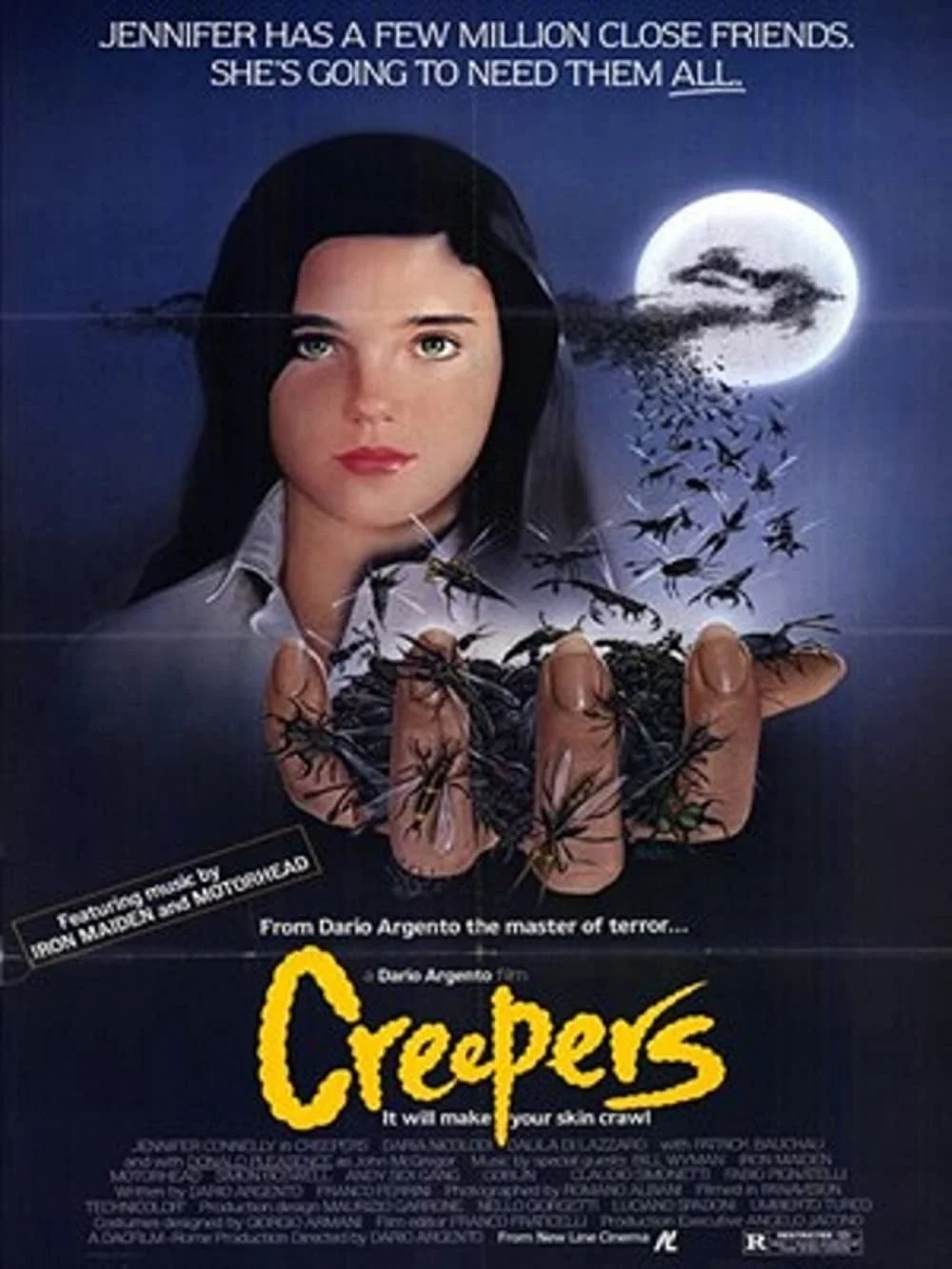
Creepers (1985, dir. Dario Argento, Italy) by Kymm Zuckert
In October, Secret Movie Club will be playing some Giallo films, which I am thrilled about, but I will be busy with my Hallowe’en Horror (H)Extravaganza month (just made that up, like it? It’s Hammer Dracula films this year, stay tuned!) and thus will only be watching and not reviewing. So I’ve decided to get a jump on October and talk about Giallo right now!
Read More
Theodora Goes Wild (1936, dir. Richard Boleslawski, US) by Matt Olsen
Between 1939 and 1944, Dunne made another trilogy of films with the actor Charles Boyer, but, well, I don’t really like Charles Boyer. So, instead, as a way to close out this series, I’d like to draw attention to Dunne’s first outright comedy role – absolutely smashing the lead in 1936’s Theodora Goes Wild, for which she received her second of five Academy Award nominations.
Read More
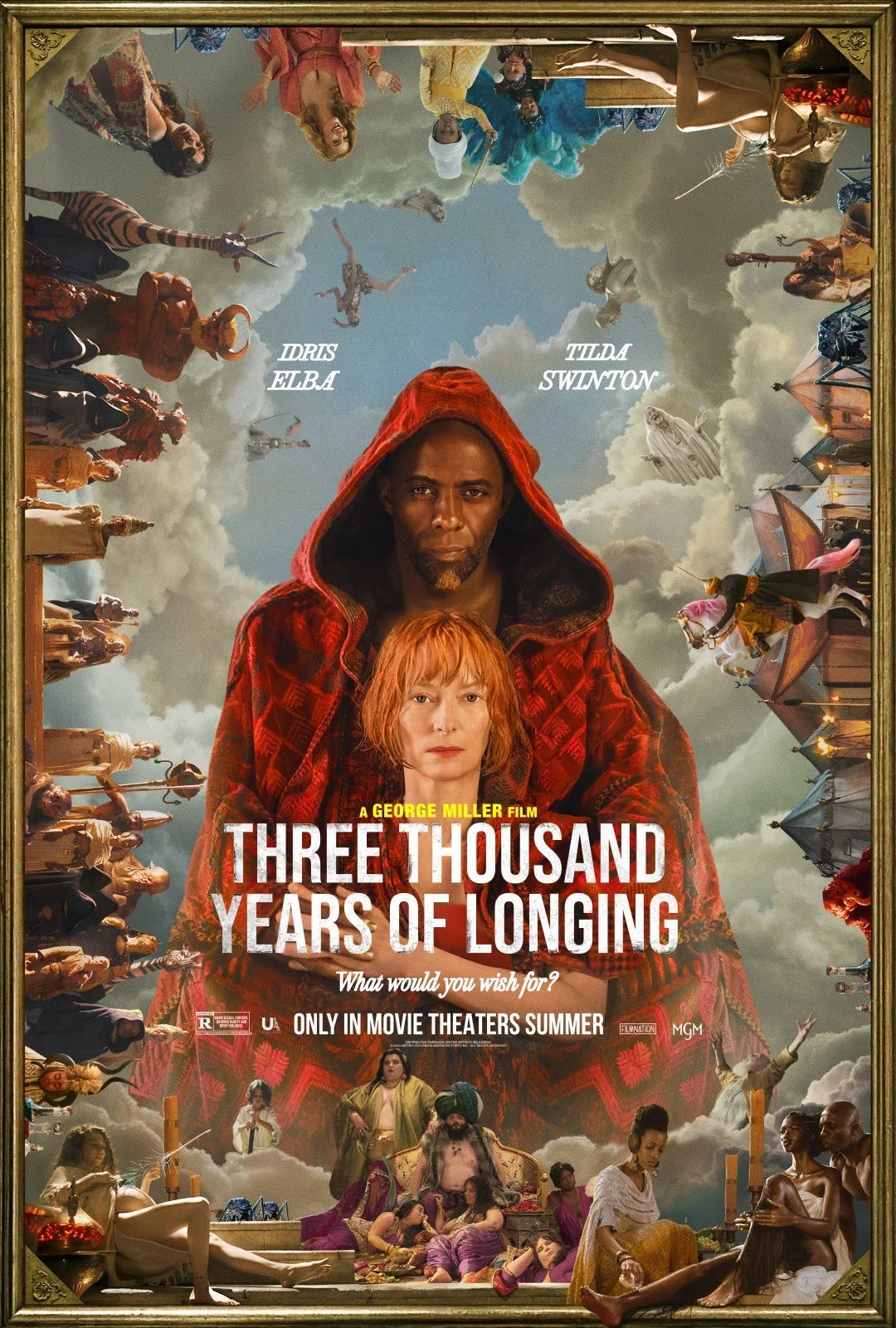
Three Thousand Years of Longing (2022, dir. George Miller, US & Australia) by Kymm Zuckert
When this film ended, I turned to Blake and said, “That was enchanting!” which is a little on the nose for a film about enchantments, but I have listened to several reviews since where people used that same word, so perhaps we were all enchanted into it?
Read More
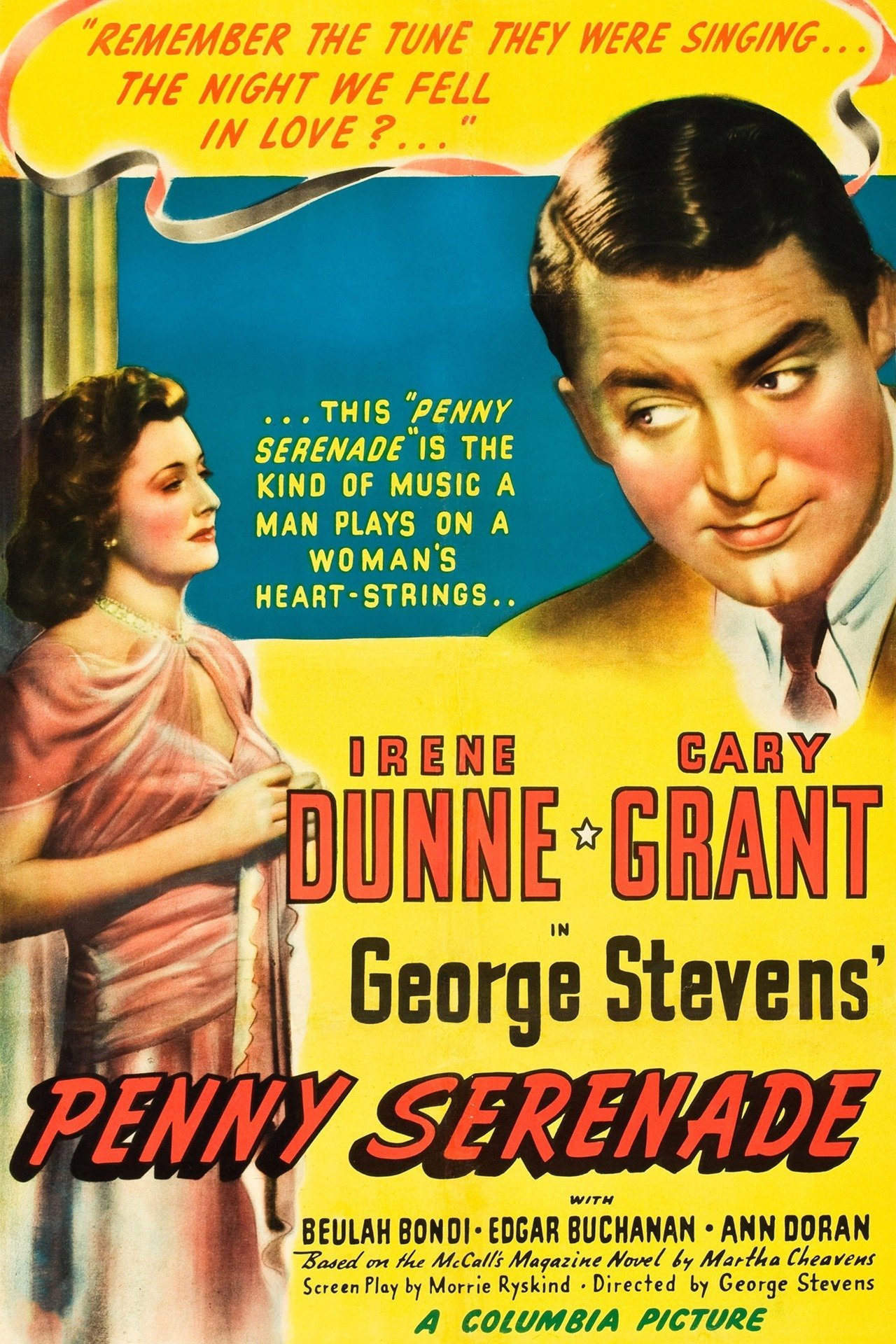
Irene Dunne & Cary Grant: Penny Serenade (1941, dir. George Stevens, US) by Matt Olsen
The final pairing of Irene Dunne and Cary Grant bears almost no resemblance to their earlier two films, The Awful Truth and My Favorite Wife – which, as returning readers may recall, are effectively the same movie. In those films, Dunne and Grant trade volleys of sharp-witted dialogue in an escalating battle for position over the other. The movies have a near-anarchic approach in their pursuit of the laugh. In short, they are comedies. Penny Serenade is not. It’s a classic Hollywood melodrama weeper as unquestionably calculating as it is effective.
Read More
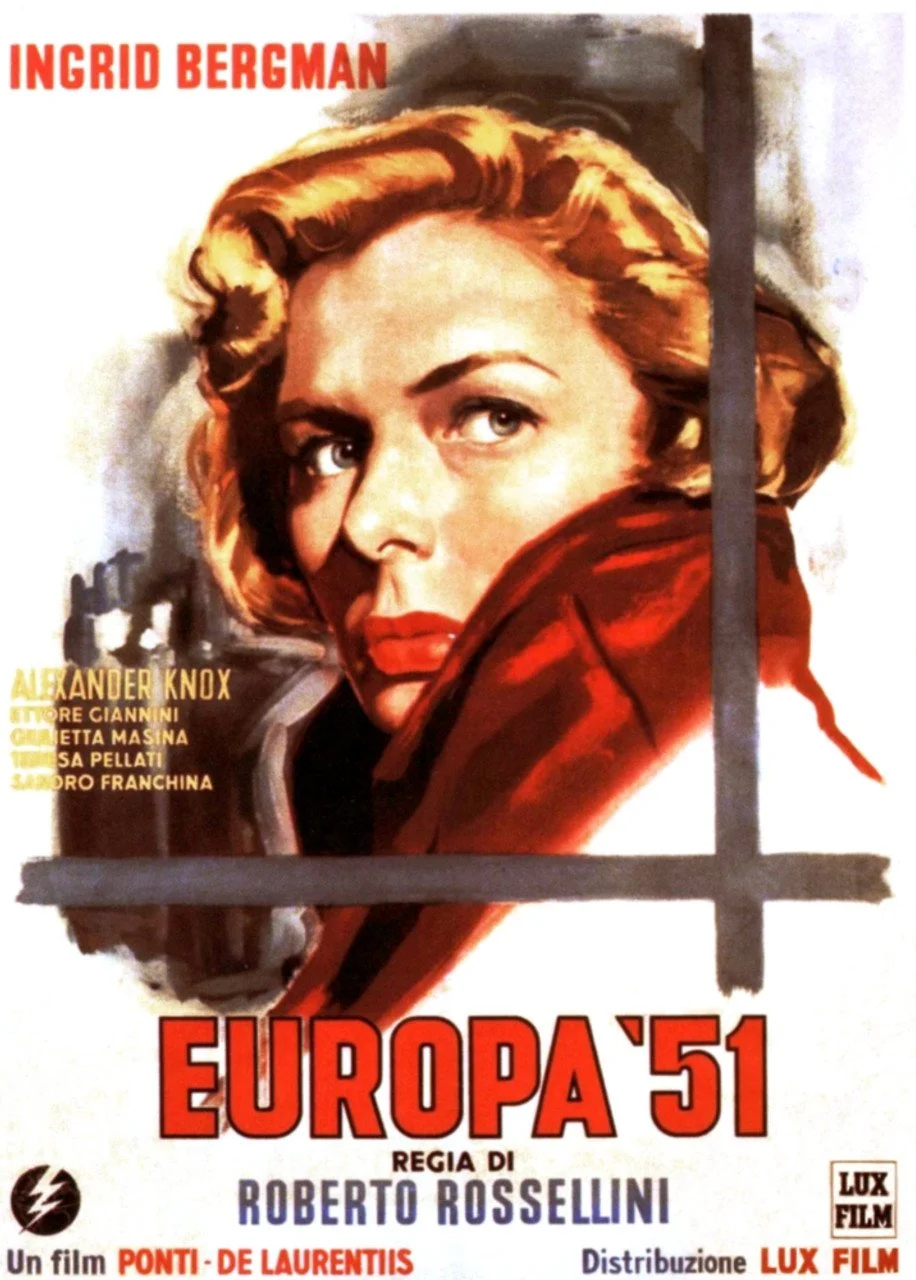
EUROPA '51 (1952, dir. Roberto Rossellini, Italy) by Patrick McElroy
In Fyodor Dostoevsky’s novel The Brothers Karamazov, a character remarks “Love in action is a harsh and dreadful thing compared with love in dreams.” Rarely has this been shown on screen more effectively than in Roberto Rossellini’s 1952 film ‘Europa 51, where the love isn’t the sentimentalized love between a man and a woman, but one woman’s unconditional love for humanity.
Read More
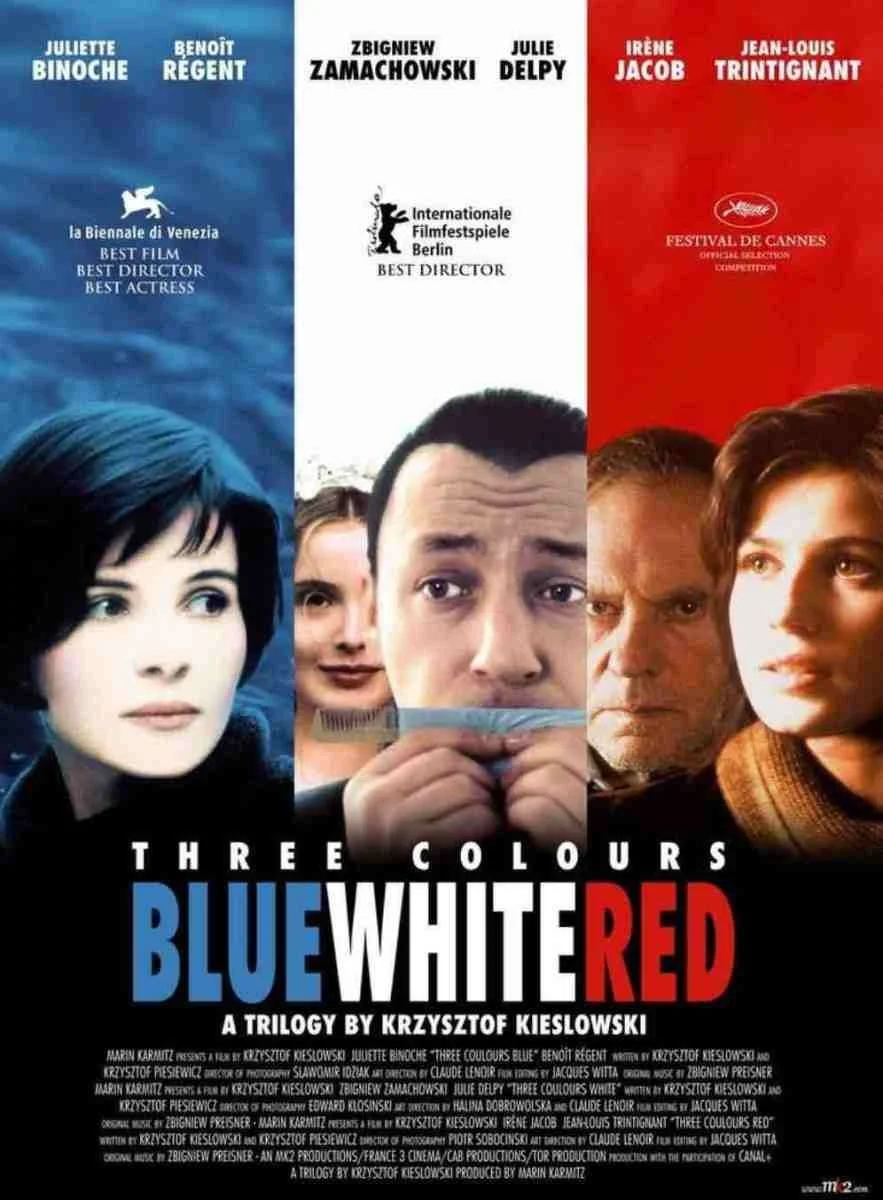
Three Colors: Blue, White & Red (1993/94, dir. Krzysztof Kieślowski, France & Poland) by Kymm Zuckert
Bleu begins with Julie (Juliette Binoche), being the only survivor of a tragic car wreck that kills her husband and five-year-old daughter. She is injured, but survives, in body, at least. In her soul, she closes down entirely, deciding to live her life with no connections, she doesn’t want to own anything, or make new memories. The only person she still sees is her mother, in a care home, whose dementia means that she rarely knows who Julie is anyway. She moves out of her house, sells all her belongings, and lives in an apartment in an area where she knows no one. Of course, life finds a way to intrude on her plans.
Read More