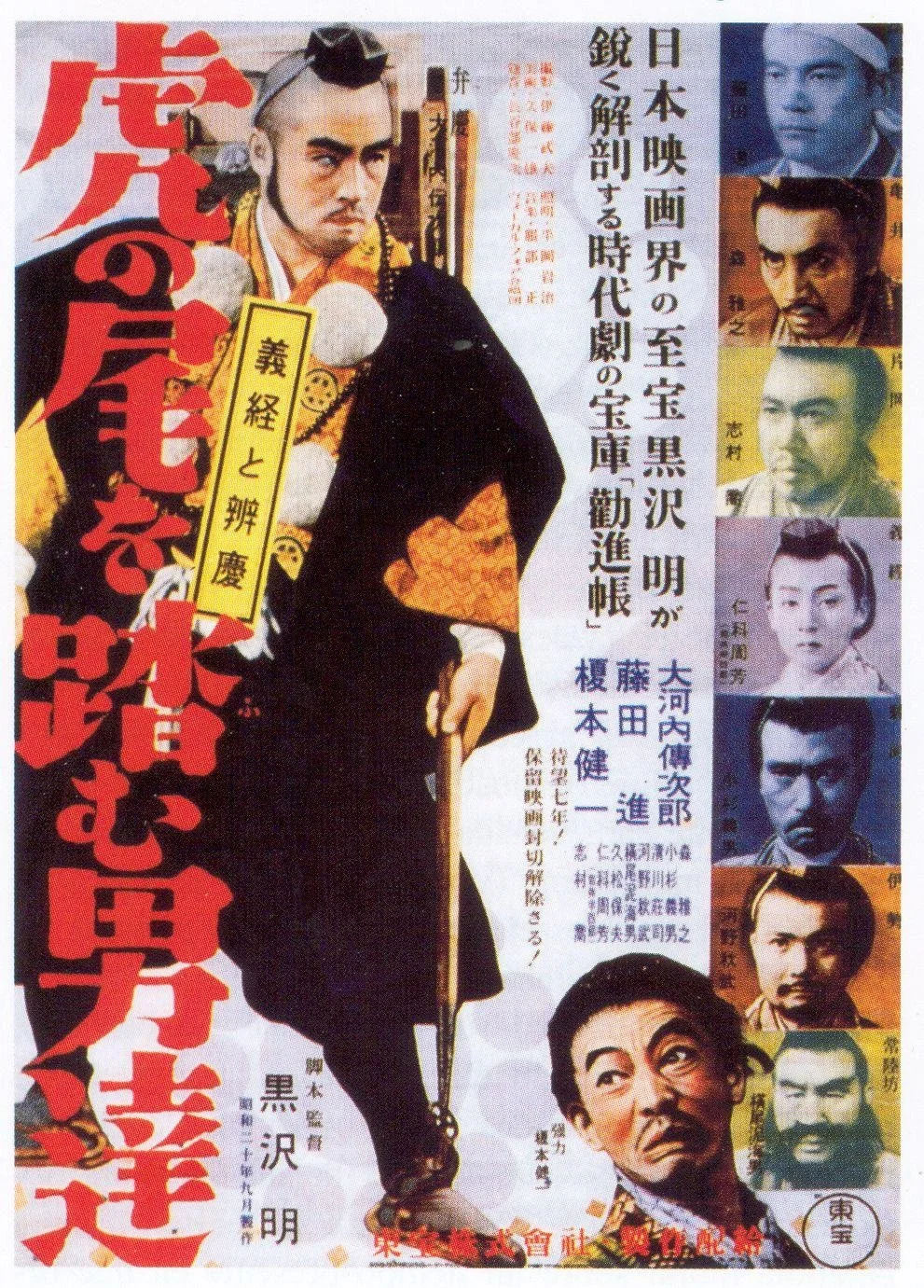
SKETCH BOOK: Akira Kurosawa's THE MEN WHO TREAD ON THE TIGER'S TAIL (adap & dir by Akira Kurosawa, Japan, 59mns, 1945)
It is sometimes (wrongly) accepted wisdom that Kurosawa's true auteur career didn't begin until DRUNKEN ANGEL, his 1948 movie which he himself said was the first one in which he had total control. Before that, it is true that Kurosawa had to answer to war time censors and studio heads. Many describe this as an apprenticeship period where Kurosawa bided his time and sharpened his craft.
And while DRUNKEN ANGEL certainly is his strongest movie up to that time, there are several movies Kurosawa made between 1943-1948 that feel every fiber a Kurosawa movie. If there's interference or tampering, it's hard to see it now eighty years later.
THE MEN WHO TREAD ON THE TIGER'S TALE feels like a brilliant rough draft for sequences and approaches Kurosawa will employ in later masterpieces like SEVEN SAMURAI (1954) and THE HIDDEN FORTRESS (1958).
The story concerns a group of loyal samurai smuggling their wrongly hunted Lord across enemy lines all disguised as monks and porters, filled with themes Kurosawa cherishes. The cast includes Takashi Shimura and other repertory players, with editing, framing, storytelling, and filmmaking already distinctly Kurosawa's style.
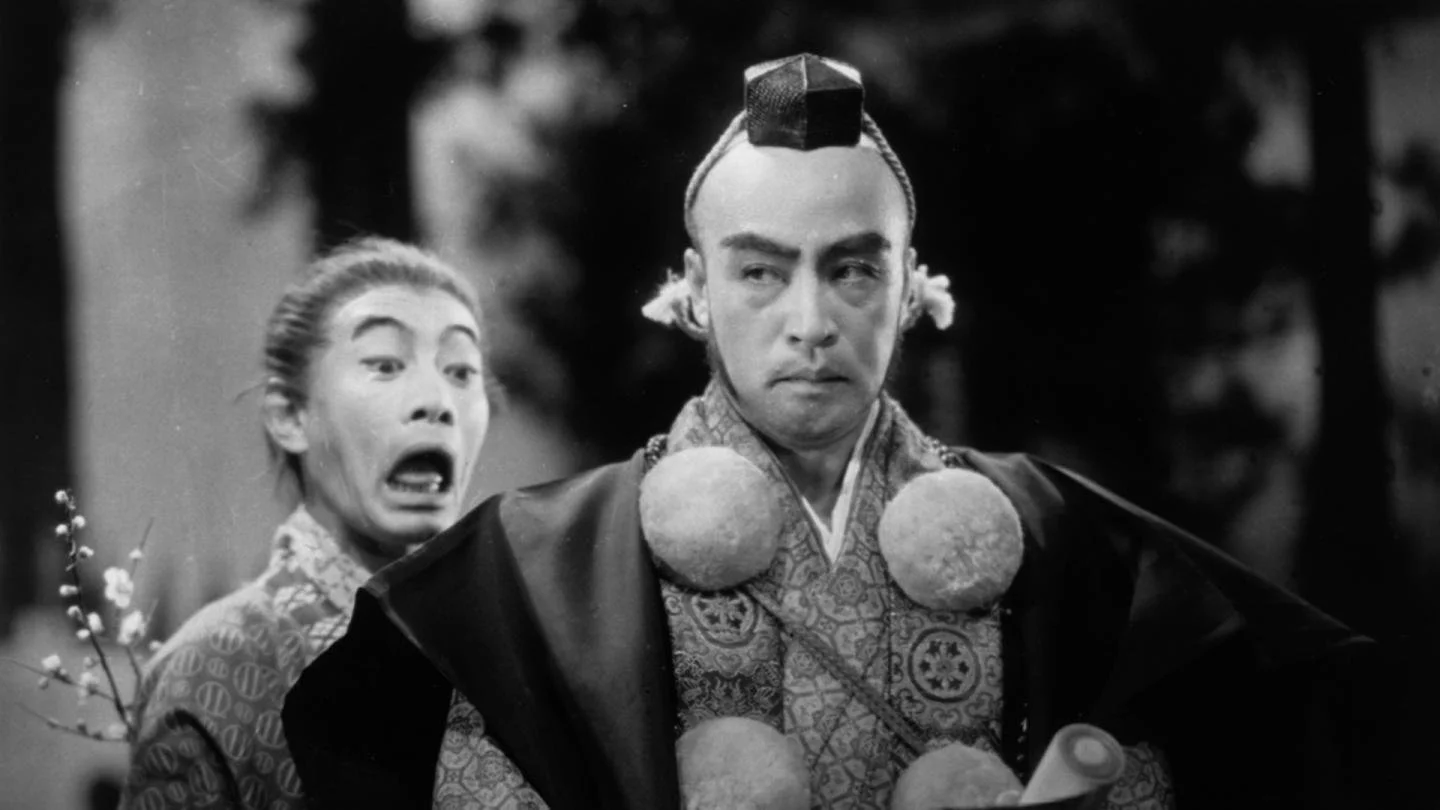
The comedic Porter character was Kurosawa's addition to classical legend, infuriating Japanese censors. However, this decision shows Kurosawa's genius in understanding the need for varied tones.
At 59 minutes, the film centers on a pivotal sequence where the group must convince a magistrate and border guards that they aren't the disguised fugitives being sought. Kurosawa builds the tension masterfully, complicating everything with unexpected twists and turns.
Adapted from celebrated Kabuki and Noh plays that treat the historical incident reverentially, Kurosawa's comedic additions undercut self-seriousness while varying and sharpening the piece's integrity as gripping cinema. Lead performer Denjiro Okichi delivers a riveting performance as protagonist Benkie, forced to think quickly as obstacles mount.
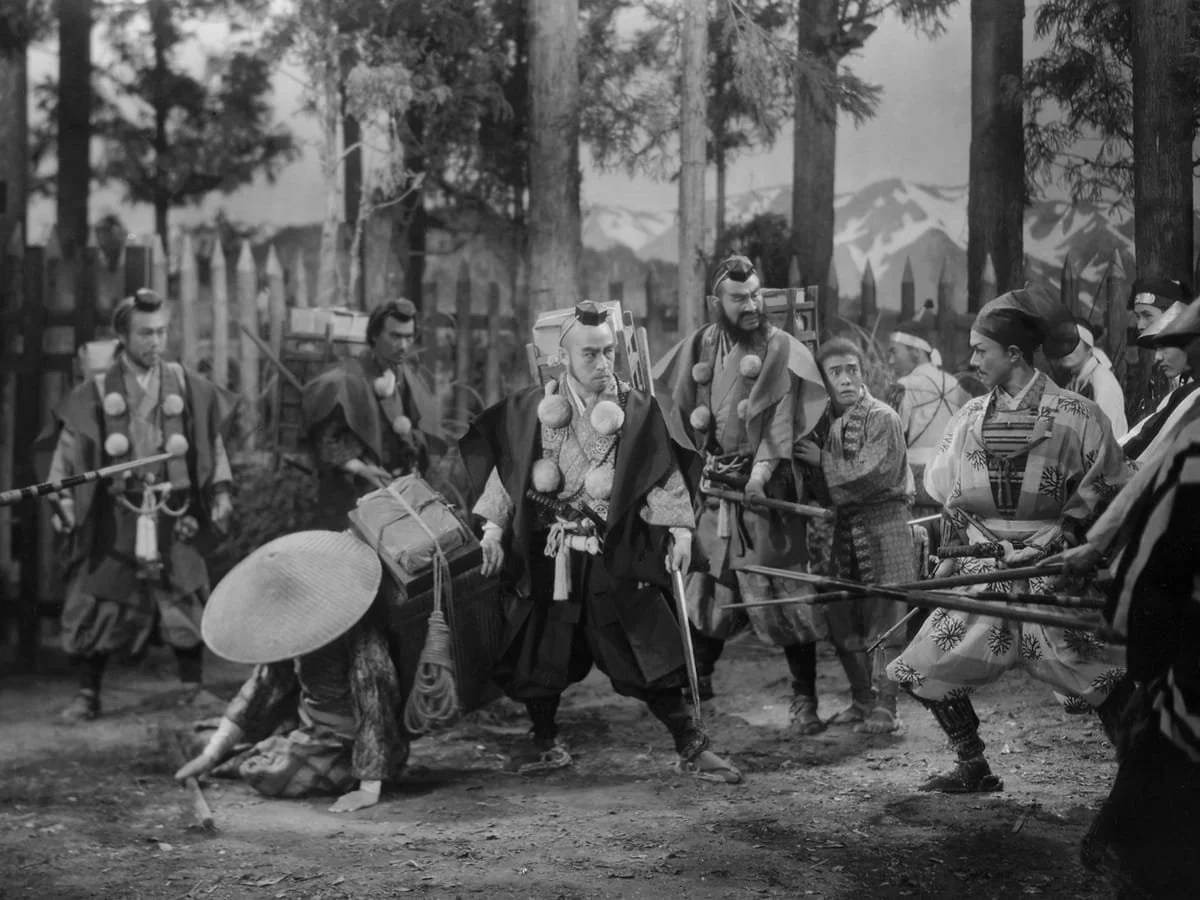
Produced during World War II, Japanese censors refused screening, deeming the comedy disrespectful to revered history. After the war, American forces similarly withheld release, suspicious of feudal glorification. The film only premiered in 1952 following Kurosawa's fame from RASHOMON (1951).
What we have now, 80 years later, is a fascinating sketchbook of Kurosawa ideas and approaches that are already stunning. But will be refined to a kind of sublime cinema in the decades after.
The majority of the runtime occurs at one location—the magistrate's gate—which determines the group's fate. Kurosawa maximizes this limited setting.