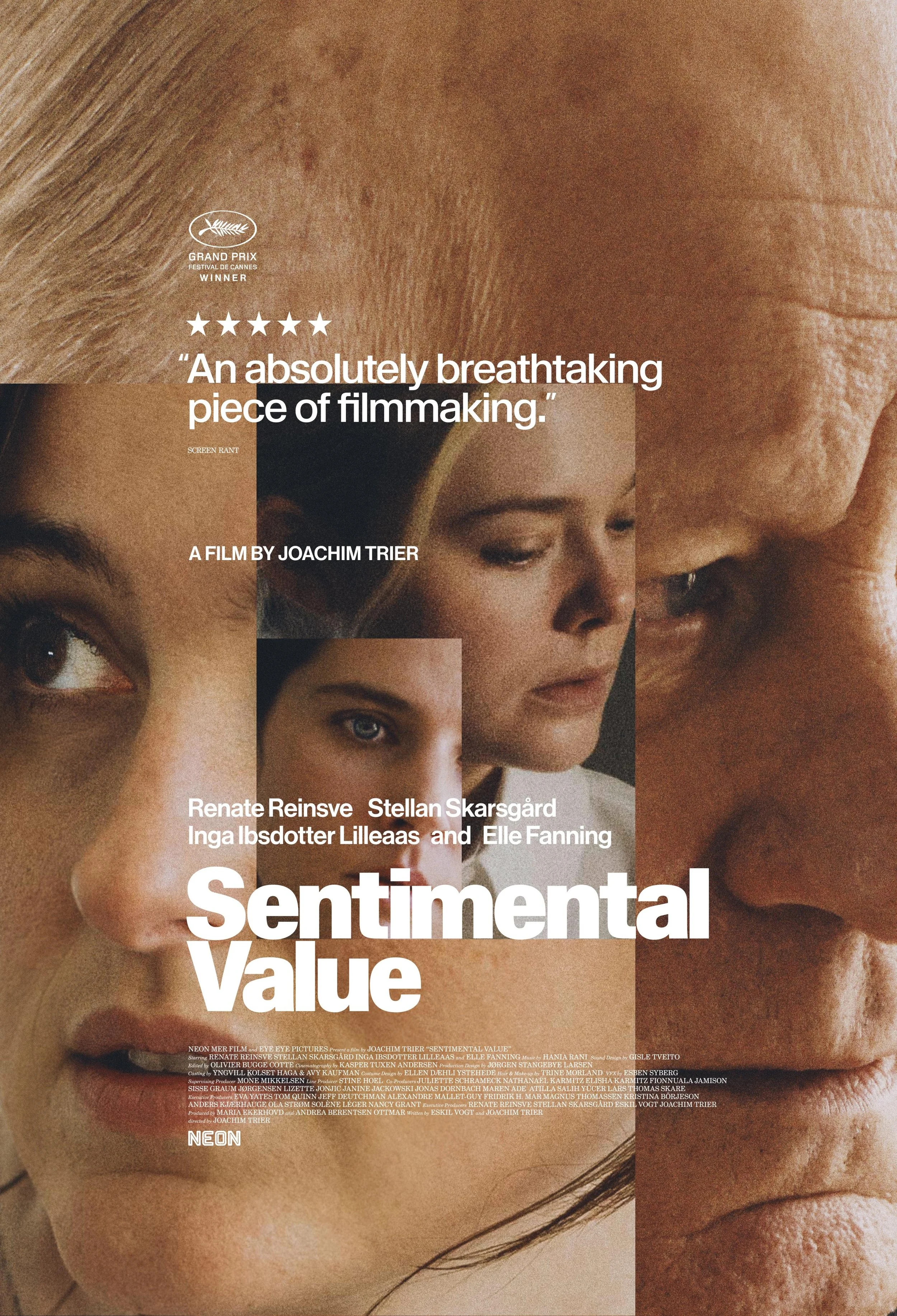
SENTIMENTAL VALUE (co-wri & dir by Joachim Trier, w/Renate Reinsve, Stellan Skaarsgard, Elle Fanning, 133mns, Norway/France/Germany/Denmark/UK, 2025)
This is a moving, deeply thought out piece of cinema. Joachim Trier has been building toward something like this for years — a film that sits inside the emotional logic of filmmaking itself, that makes cinema both its subject and its method.
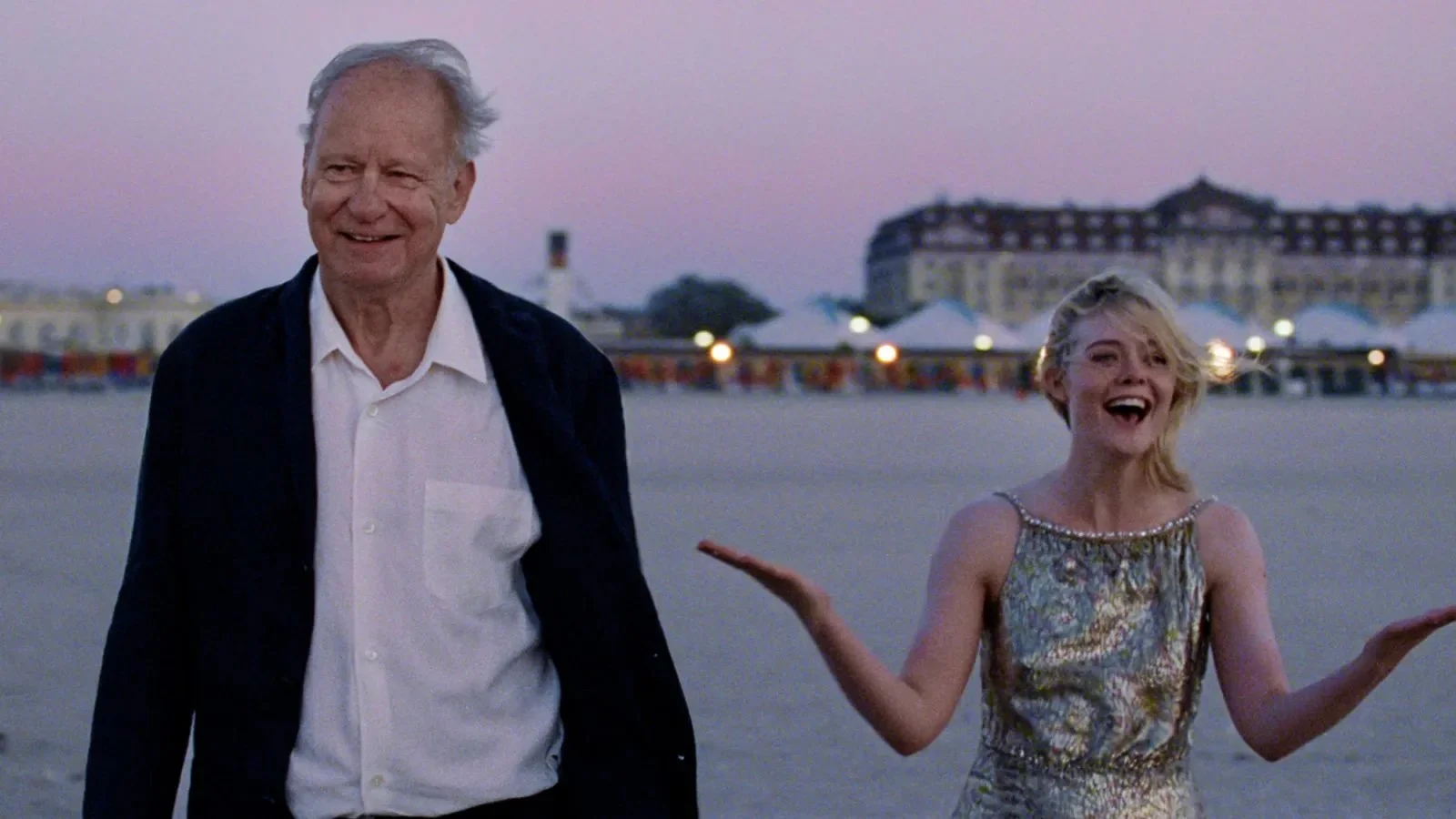
Director Gustav returns home to make a project about family trauma. His eldest daughter Nora (Renate Reinsve), a celebrated stage actress, is the obvious lead — the right age, the right emotional range, the lived experience. She refuses. The refusal is not capricious; it has everything to do with her own unresolved wounds, with the childhood she spent waiting for a father who was always elsewhere. American star Rachel Kemp (Elle Fanning) steps in to fill the role. Younger daughter Agnes, played with extraordinary subtlety, mediates between everyone.
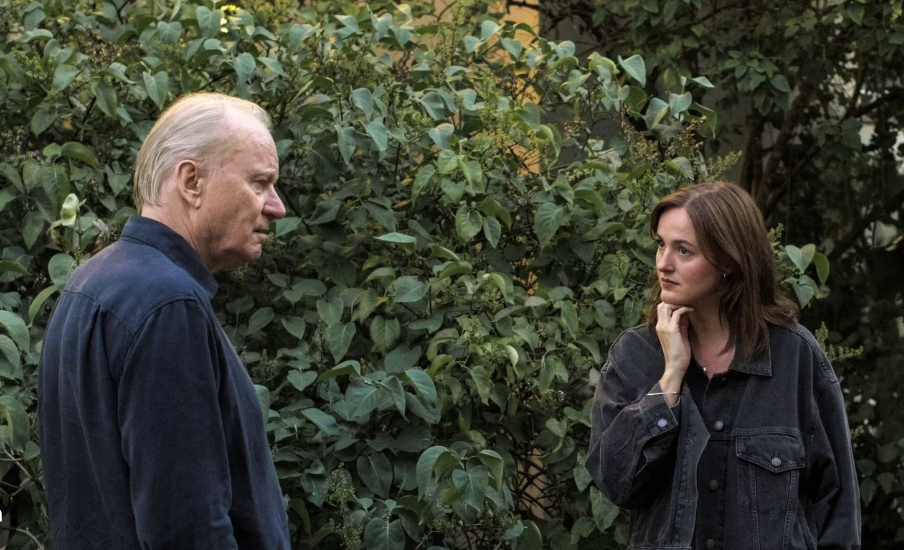
Nora's panic attacks and intimacy issues are not presented as symptoms to be diagnosed. Trier understands that they are responses — that they make sense given what happened. Gustav carries his own unresolved weight: his mother died by suicide when he was seven. The film asks quietly, carefully, how much of what we pass to our children is intentional, and how much is simply what we couldn't help.
Bergman's PERSONA is visually referenced — a portrait on the wall, a shot composition that echoes the earlier film. It's not homage for its own sake; Trier is locating his film in a tradition of Scandinavian cinema that takes psychological truth seriously. But SENTIMENTAL VALUE does something Bergman-influenced films rarely attempt: it ends with cautious optimism. Not resolution. Not healing. But the first tentative steps toward both.
The predecessors here are Fellini's 8½ and Joanna Hogg's The Souvenir — films that locate autobiography within fiction and find that the distance between the two is smaller than we'd like. Trier is not being autobiographical in any obvious sense, but he is being honest about what it costs to make art about people you love, and what it costs those people to be made into art.
Having children changes how you watch this film. I watched it twice — once before I fully understood what Gustav's abandonment meant to Nora and Agnes, and once after. The second viewing was considerably more difficult. That is, I think, exactly what Trier intended.