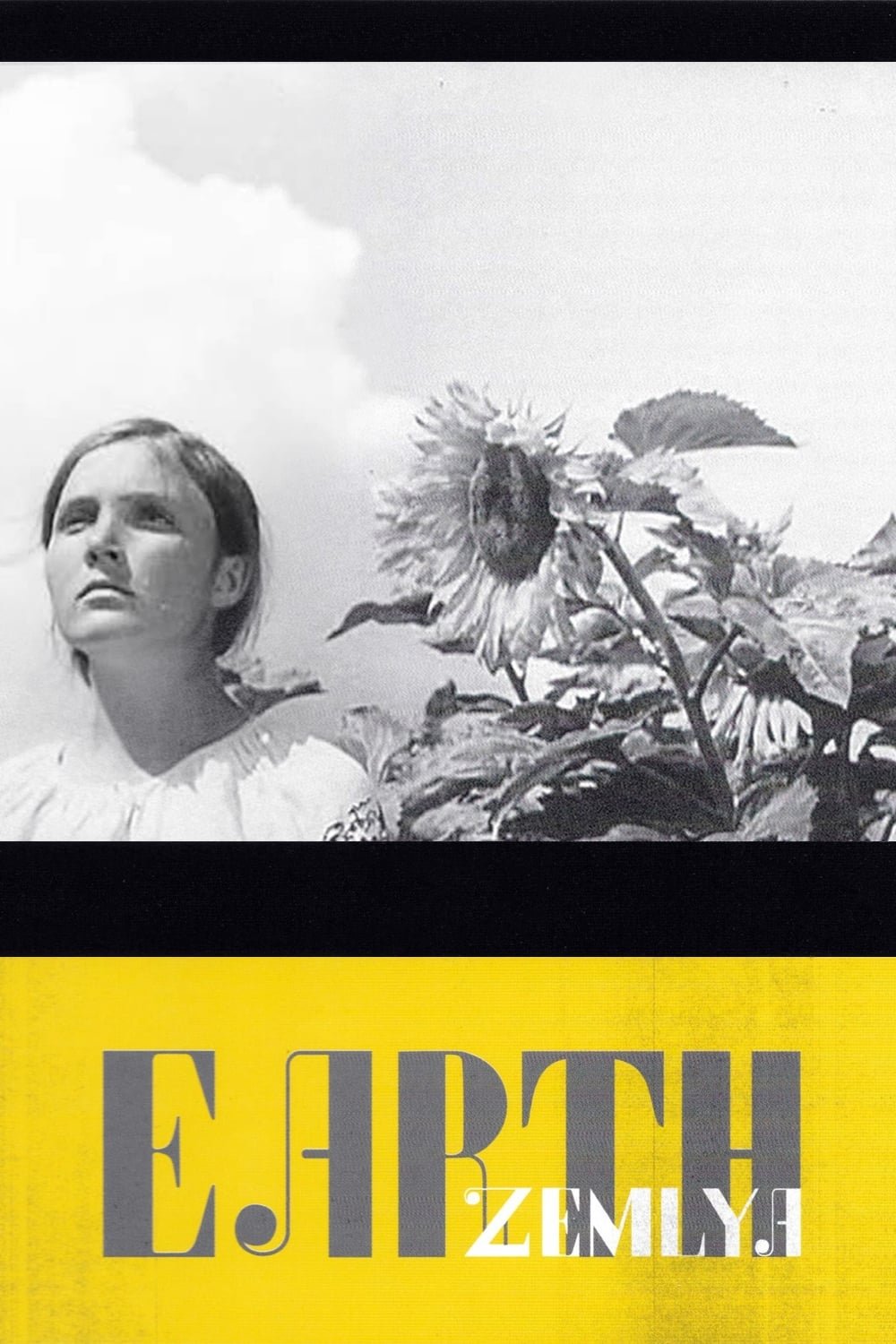
EARTH (wri & dir by Alexander Dovzhenko, Ukraine/USSR, 78mns, 1930)
This writer found Ukrainian moviemaker Alexander Dovzhenko's 1930 released EARTH inscrutable. In a glorious way.
Not inscrutable in the sense of impenetrable — the basic narrative is clear enough. A Ukrainian village is adopting communist collective farming practices. The old order, represented by the landowners and the Orthodox church, resists. A young man named Vasili champions the new tractors. He is murdered for it. His village responds not with vengeance but with collective grief, with the continuation of the work.
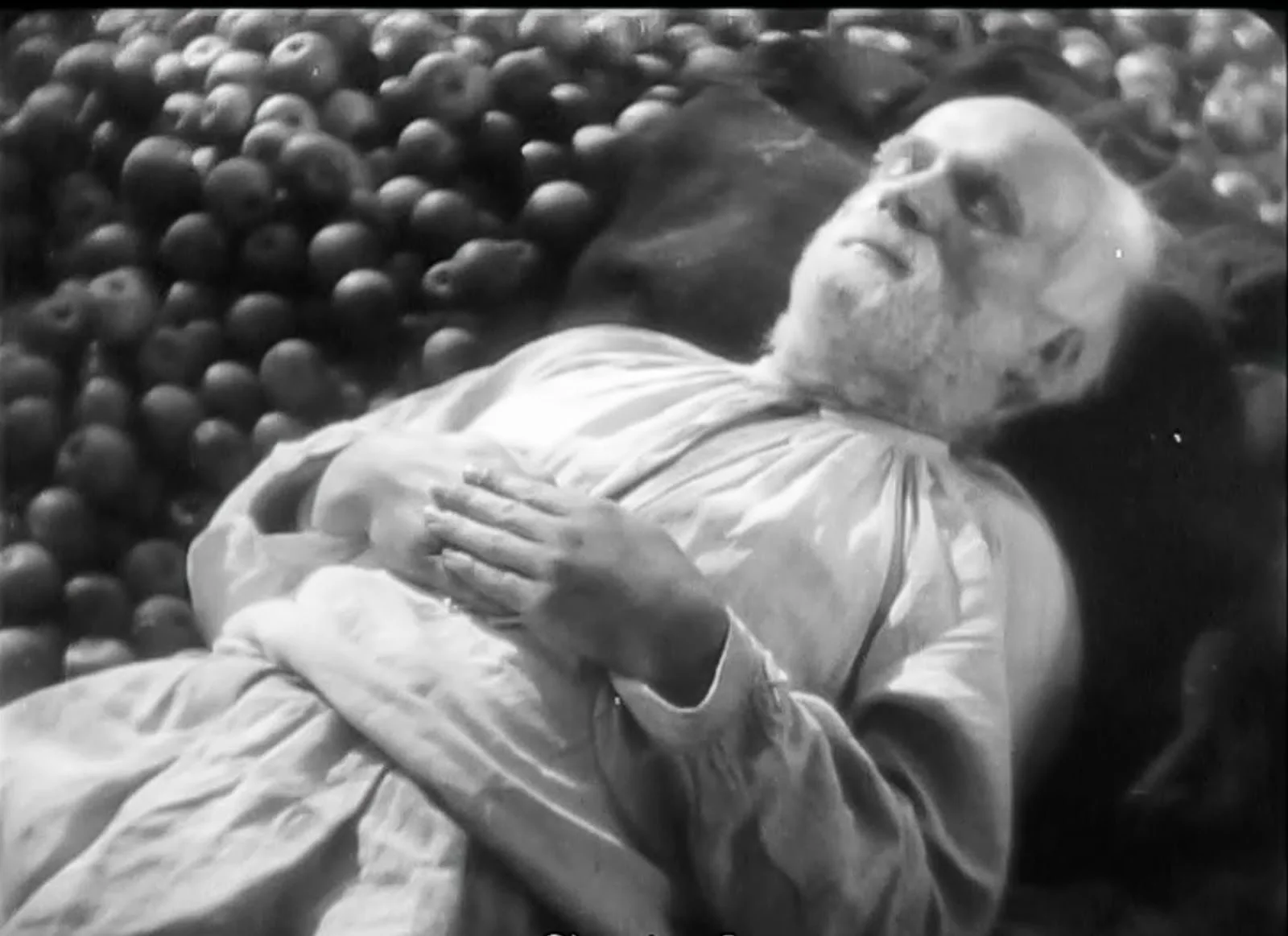
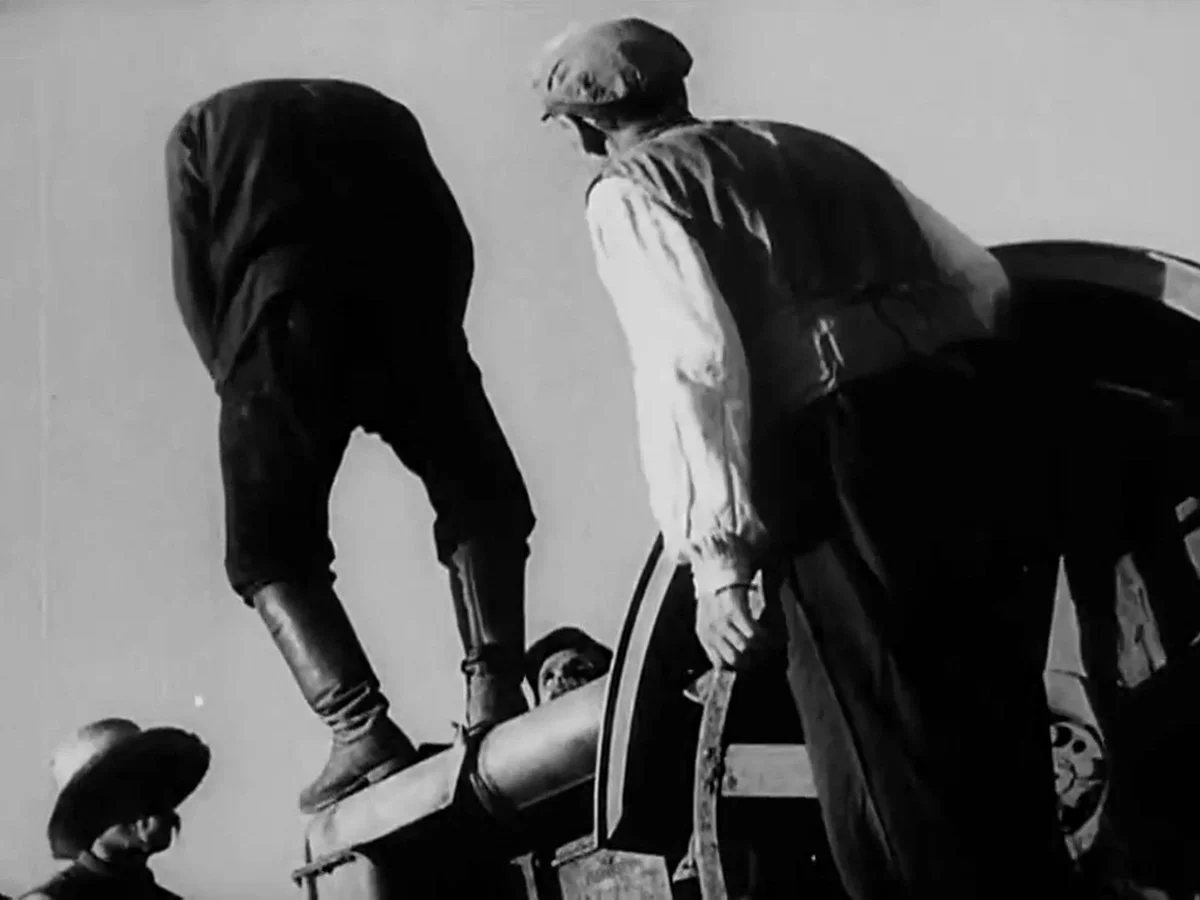
What is inscrutable is the experience of watching it — the way Dovzhenko moves between images with a logic that is more associative than causal, more poetic than dramatic. An old man dies eating apples in a sunlit orchard. A tractor stalls and the workers urinate into the radiator to cool it. A woman removes her clothes and walks through the moonlit village. These are not symbols in the conventional sense; they resist reduction to meaning. They insist on being experienced rather than decoded.
The assassination sequence is extraordinary. Vasili is shot while dancing alone on a moonlit road. The editing that follows — his funeral juxtaposed against his fiancée's inconsolable grief, a birth happening simultaneously elsewhere in the village, the murderer's psychological collapse — is among the most sophisticated montage in the Soviet silent tradition. Eisenstein gets more attention, but Dovzhenko is doing something Eisenstein never quite managed: he is using montage to create emotion rather than argument.
EARTH is political propaganda. It was made to champion collectivization at a moment when Stalin was forcing it on the Ukrainian people at catastrophic human cost. This context is not incidental; it shapes how we receive the film. And yet the propaganda does not exhaust the film. What remains after ideology is something harder to name — a meditation on the rhythms of existence, on the way individual lives dissolve into the larger pattern of seasons and generations.
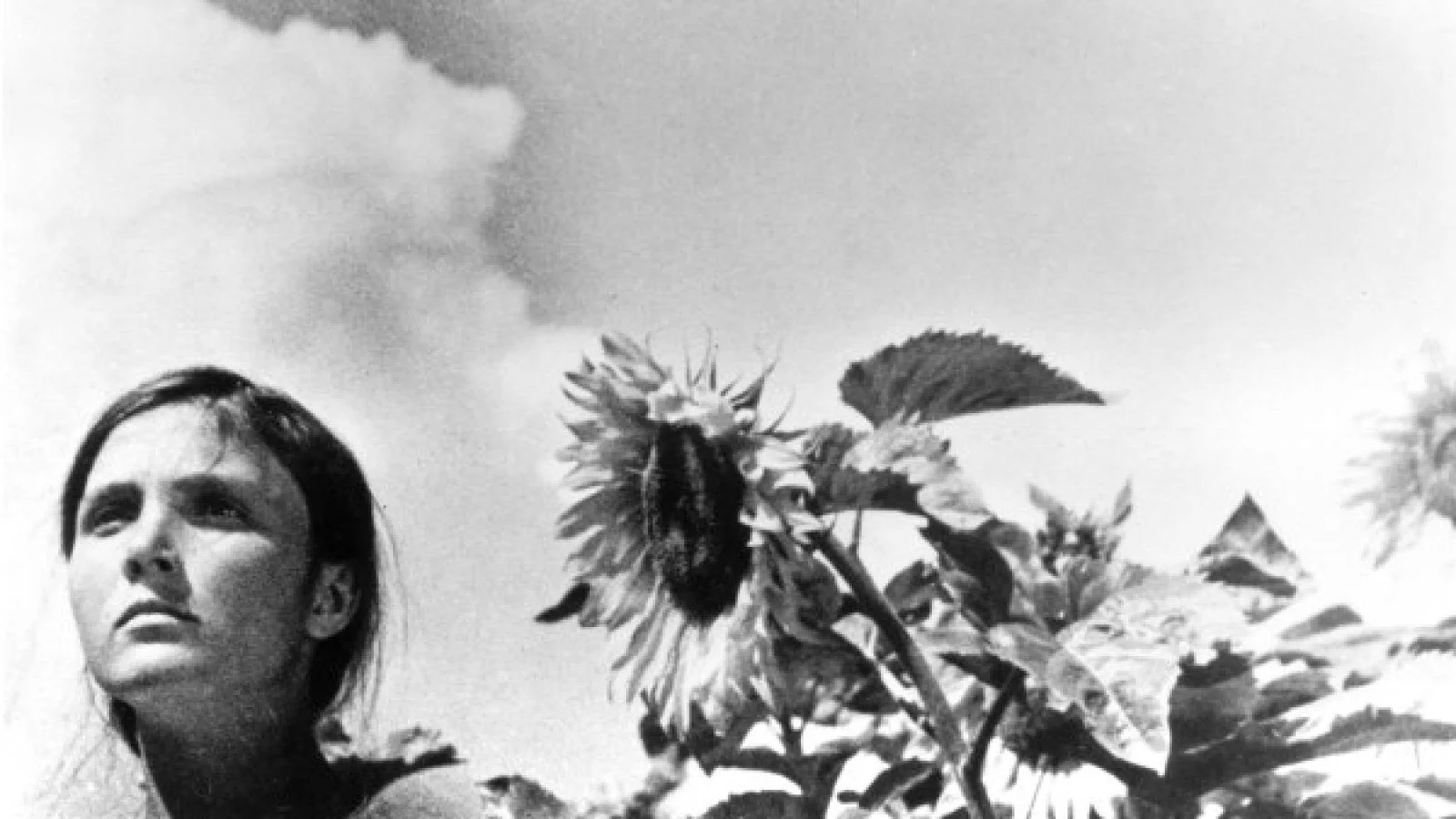
What the film teaches about cinema: deliberate, clear cinematic language enables more effective experimentation than contemporary rapid-cut editing. When every cut has weight, when images are allowed to breathe, the departures from that language register as events. EARTH is nearly a hundred years old and still knows things about pacing that contemporary cinema has forgotten.