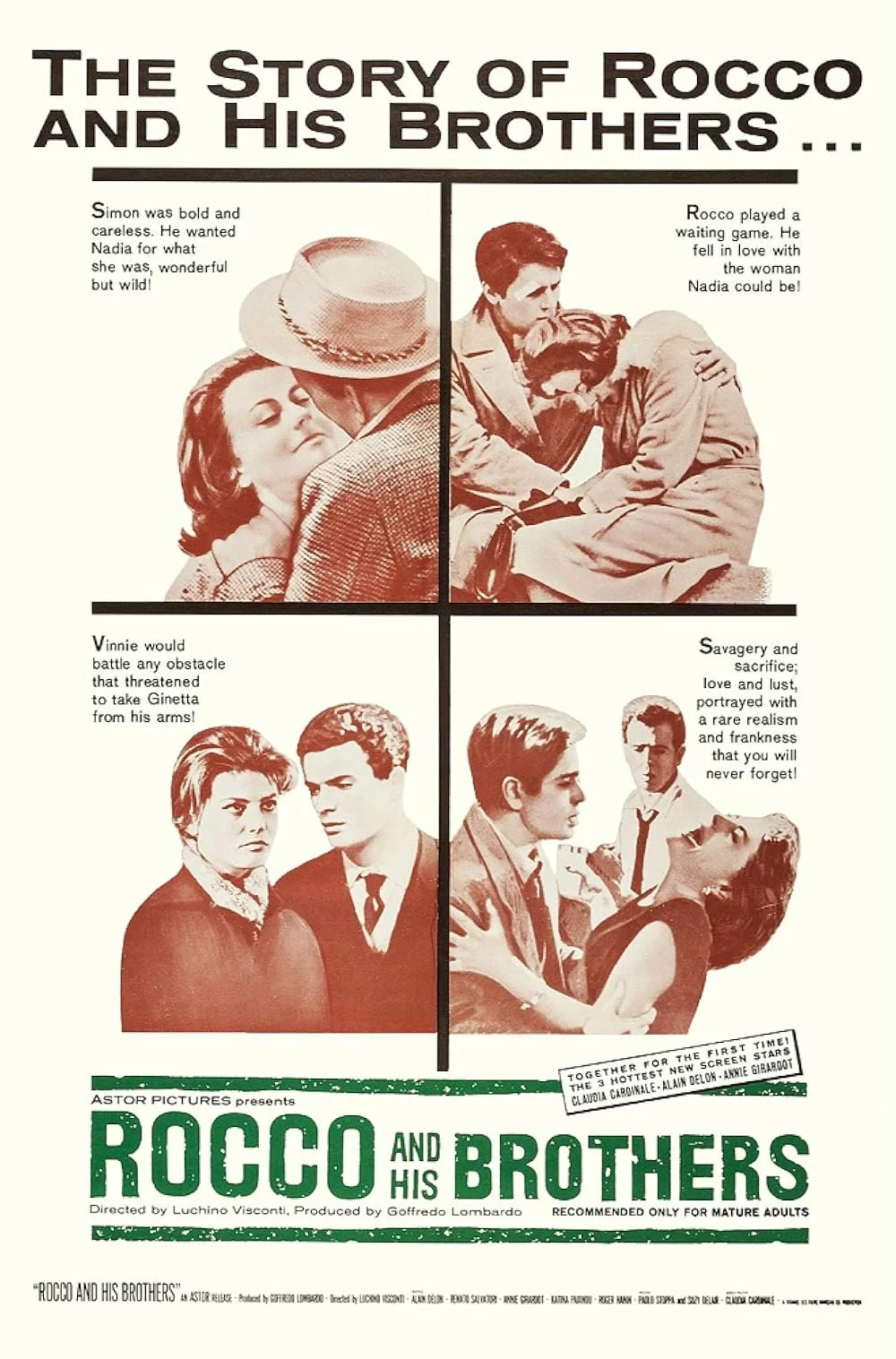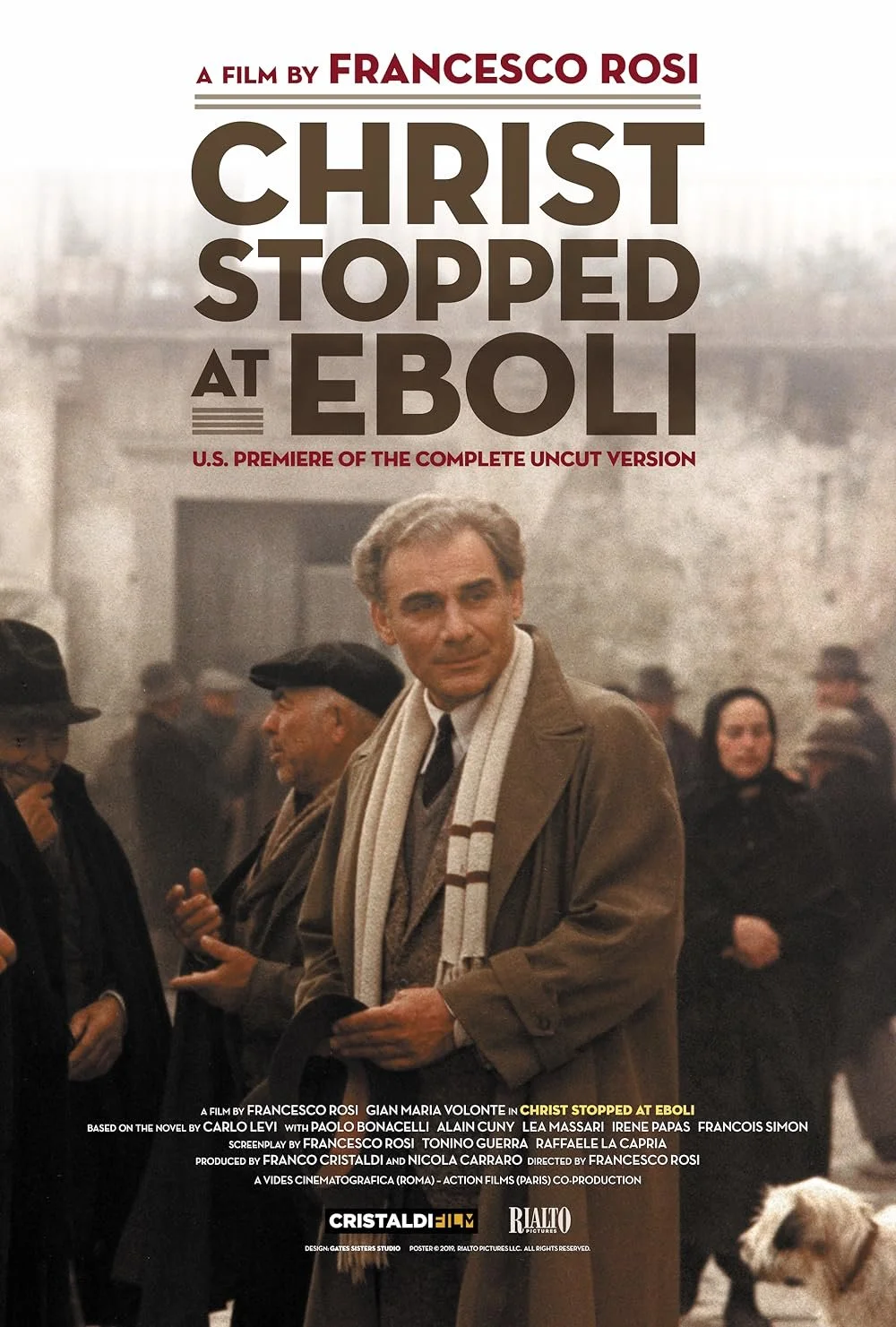
SUBTLE & TRUE: Francesco Rosi's CHRIST STOPPED AT EBOLI (co-adapt & directed by Francesco Rosi from a memoir of the same name by Carlo Levi, approx 215mns in 4 television episodes, 1979)
European limited TV series have yielded some of the greatest cinematic works of all time. American television in the cable and streaming era has produced significant works, yet European TV remains remarkable for its critically important cinematic contributions.
Bergman's SCENES FROM A MARRIAGE and FANNY & ALEXANDER, Kieslowski's THE DECALOGUE, Fassbinder's BERLIN ALEXANDERPLATZ, Von Trier's THE KINGDOMS series, and Leigh's NUTS IN MAY represent merely the beginning of extraordinary television cinema.
Francesco Rosi's CHRIST STOPPED AT EBOLI adapts Carlo Levi's memoir about his exile as a political prisoner in rural Southern Italy during Mussolini's fascist regime in the 1930s. The four-episode series, approximately one hour per episode, features Gian Maria Volante—known for antagonistic roles in Leone's FISTFUL OF DOLLARS films—delivering a subtle, sophisticated performance as Levi, a political dissident, doctor, and painter.

Rosi, celebrated for profound political cinema including SALVATORE GIULIANO, THE MATTEI AFFAIR, HANDS OVER THE CITY, and ILLUSTRIOUS CORPSES, avoids declarative messaging while remaining clearly anti-fascist and anti-authoritarian. His concern centers on remote states governed by elites disconnected from struggling ordinary citizens.
The narrative unfolds through vivid episodes: Levi's initial lodging with a widow, encounters with local nobility and a musical tax collector, a sexually liberated single mother bound by rural superstitions, returned American immigrants, and a drunken priest finally denouncing fascism at midnight Christmas mass.
Rosi examines the disconnect between political movements rooted in urban middle-to-upper-class centers and impoverished rural populations preoccupied with immediate economic survival. Mussolini's radio speeches about war and fascism matter less than the town's pig castrator's schedule.
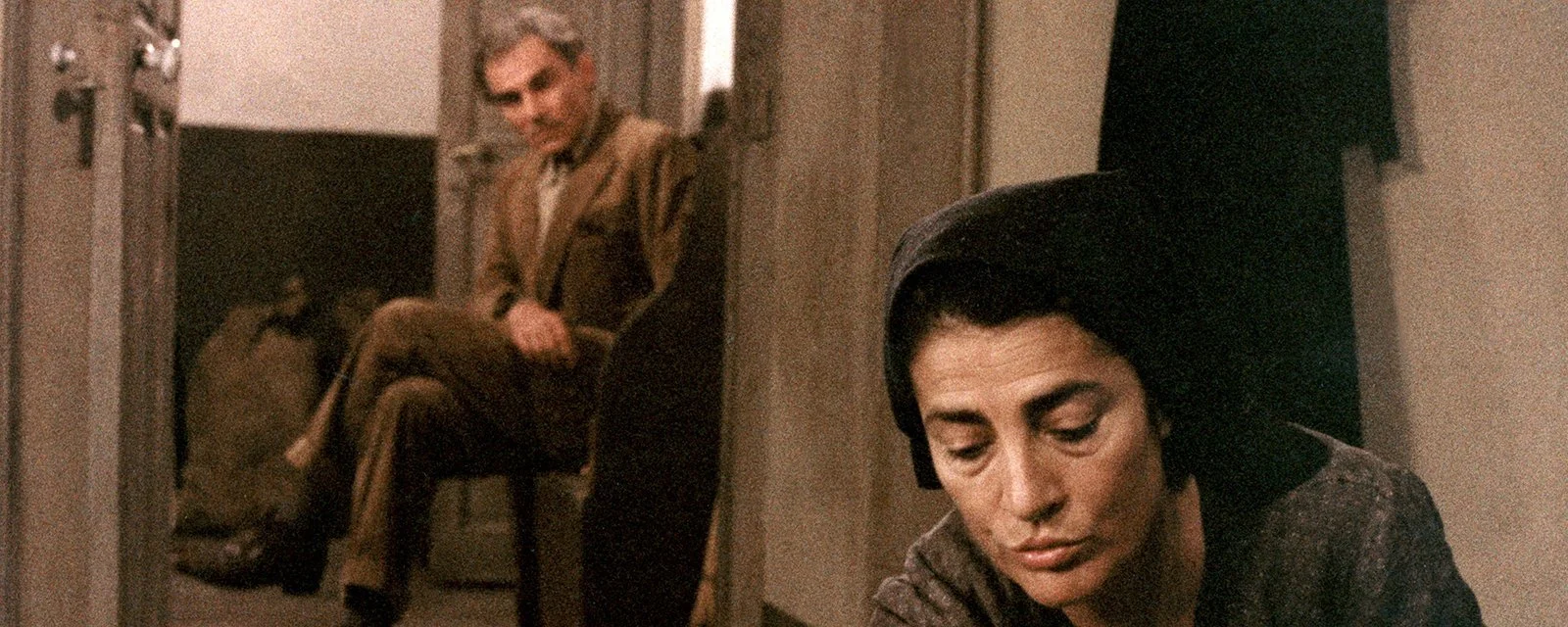
Made during Italy's "Years of Lead" in the late 1970s, when both extreme-right and extreme-left movements destabilized the nation, the film reveals an honest conversation about politics. Rosi and Levi, both left-leaning, suggest that identifying political ideology matters less than recognizing how remote governance—regardless of orientation—alienates people from power.
Most political works struggle transcending their makers' ideological limitations. Superior political cinema remains humble toward truth, avoiding simplistic conclusions, often ending in uncomfortable observations and unanswered questions.
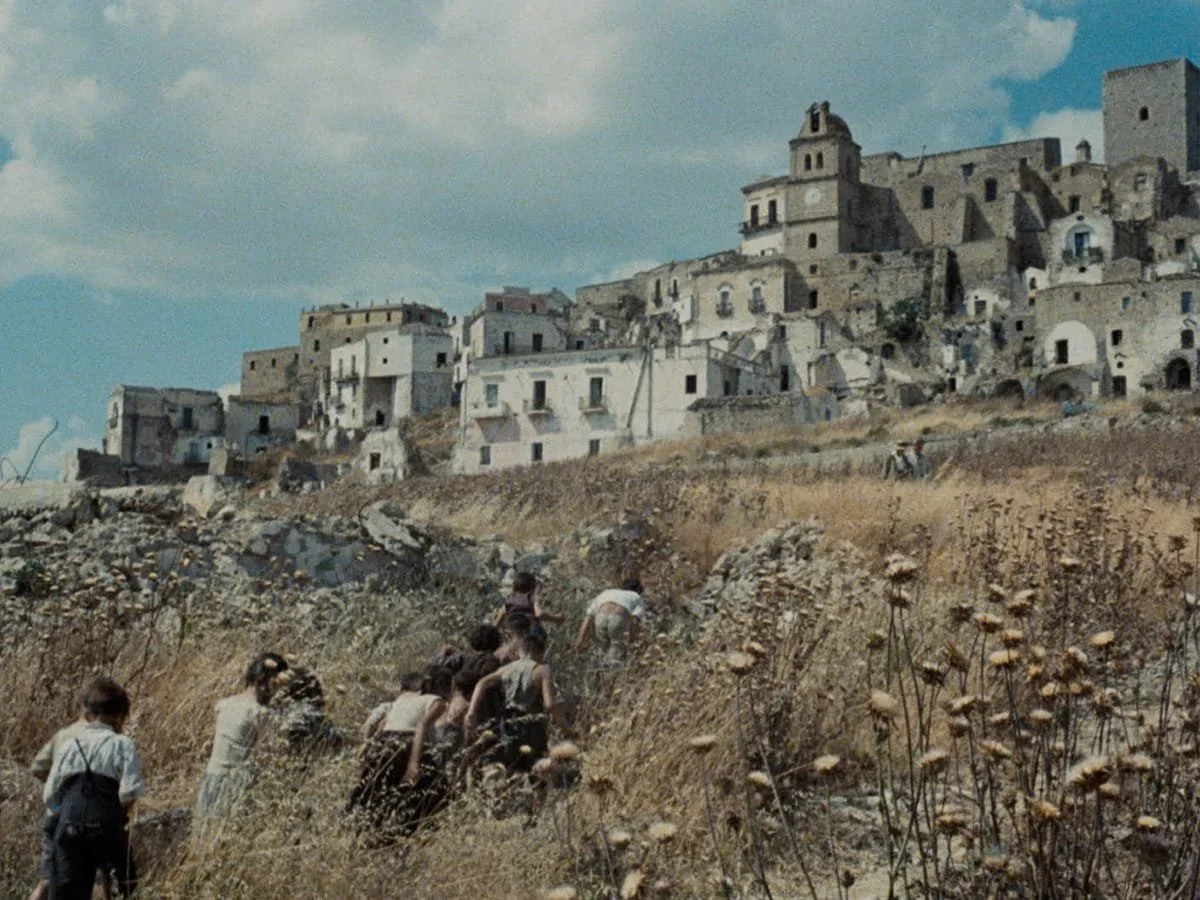
The opening and closing scenes depict an older Levi in his spacious urban art studio, viewing paintings created during his imprisonment. These moments initially suggest longing for beloved townspeople. Deeper reflection, however, raises darker questions: Did Levi accomplish anything material for these lives after departure? What value possess politics unwalked?
Political works achieving brilliant humanism remain rare. Renoir, Kurosawa, Ford, Rossellini, and Fassbinder achieved such heights. Rosi deserves inclusion among them.